
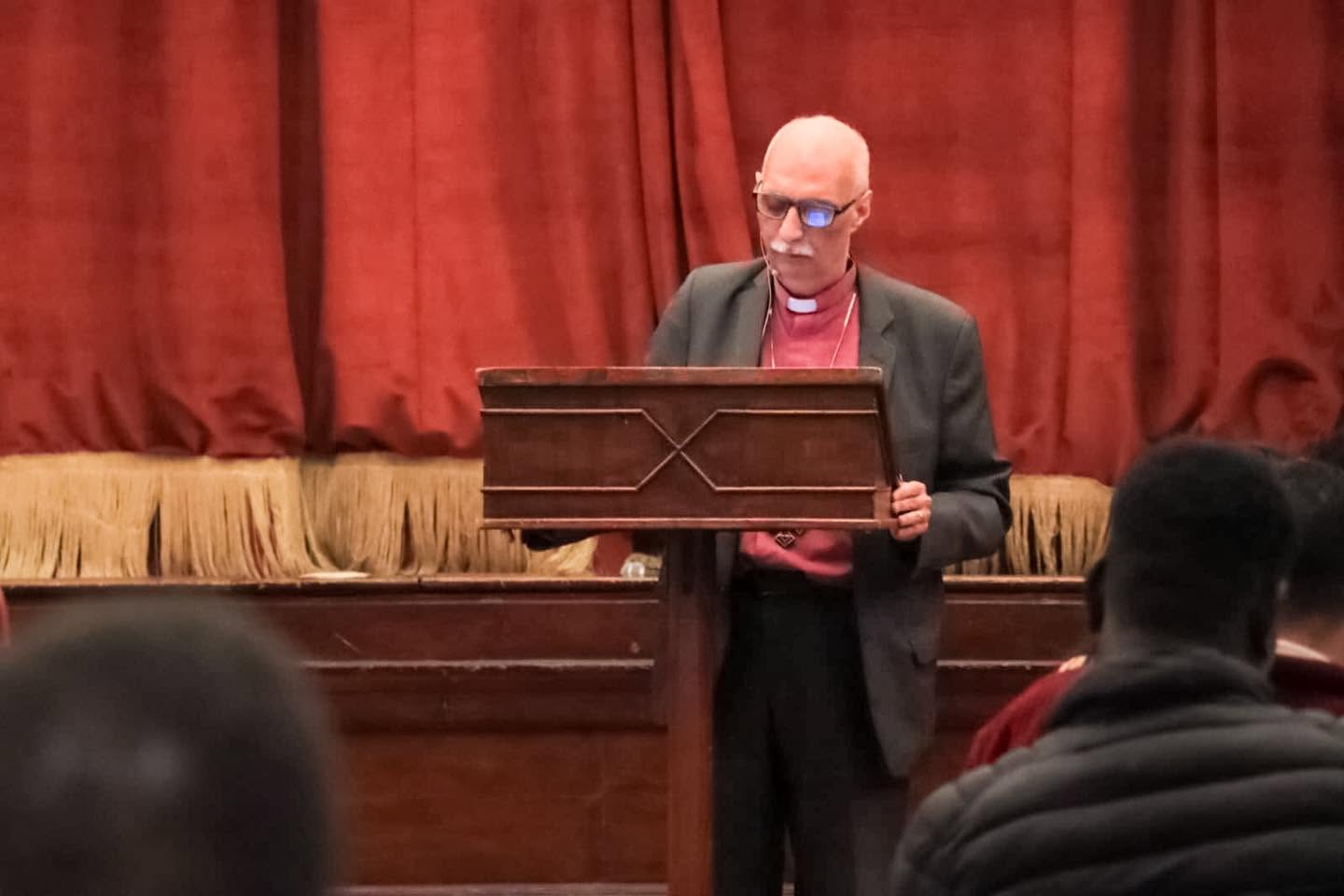
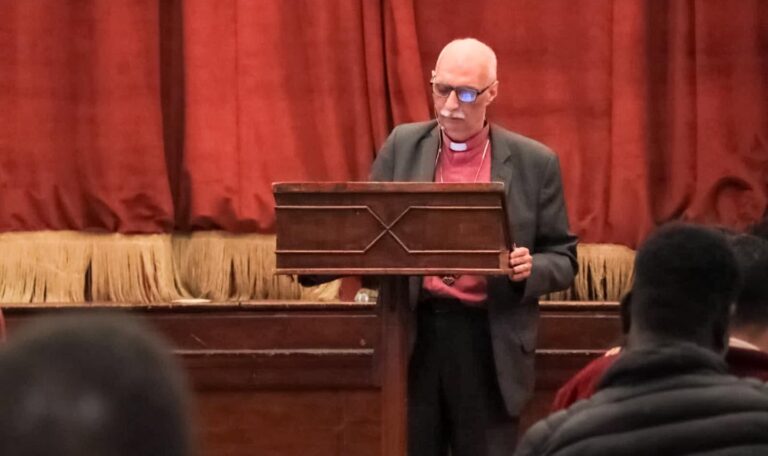
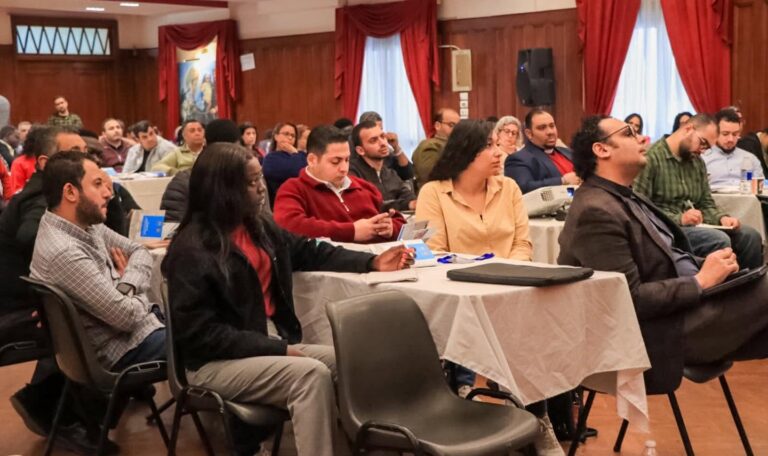
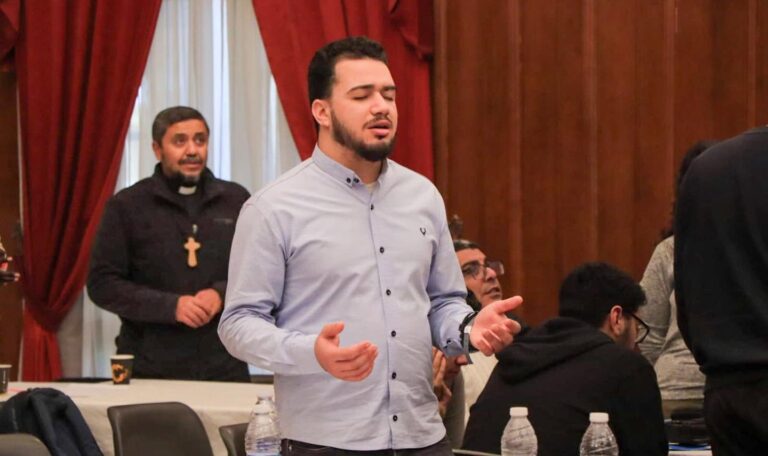
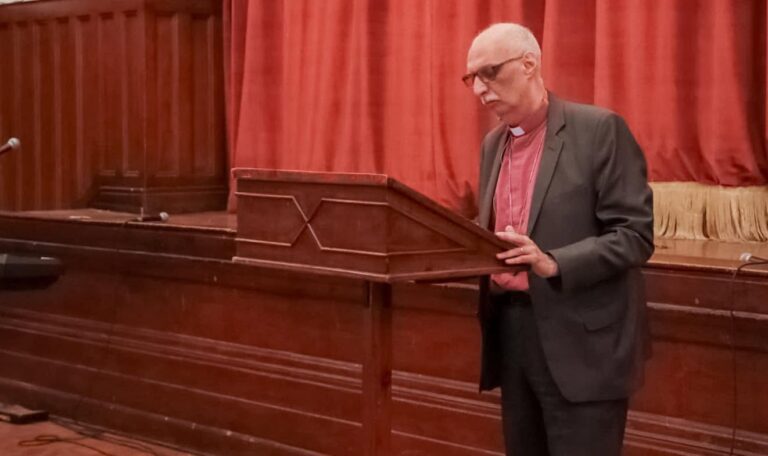
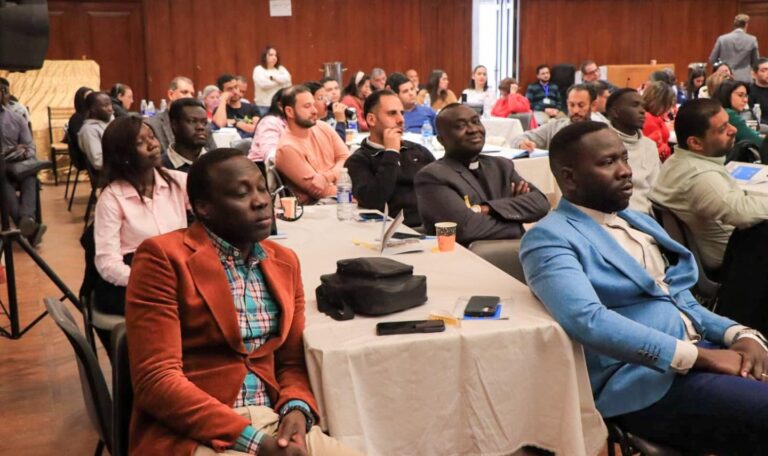
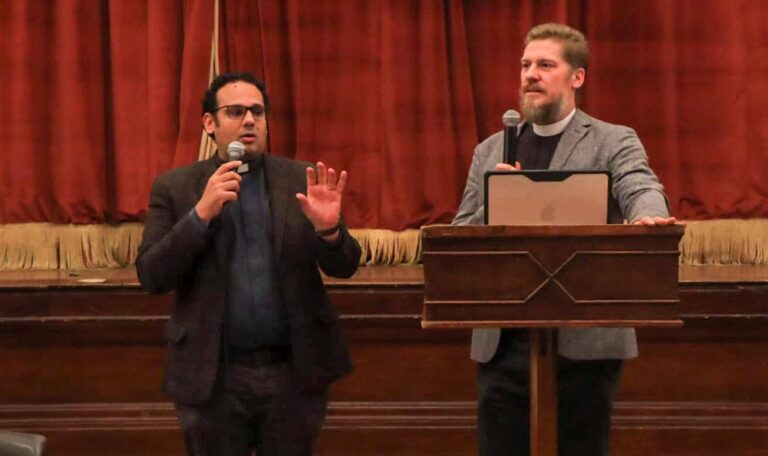
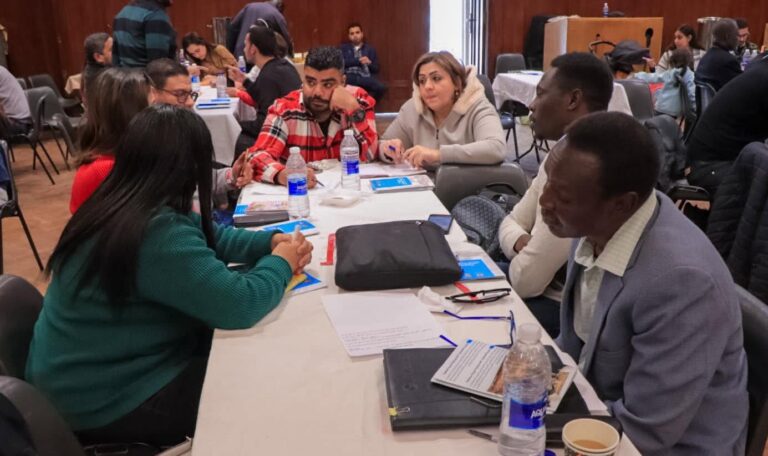
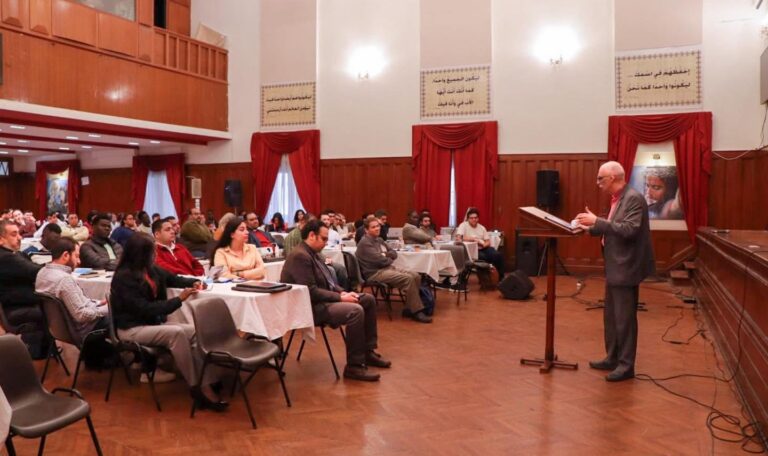
Today, Archbishop Dr. Sami Fawzy, Archbishop of the Province of Alexandria of the Episcopal Church, participated in the opening day of the Anglican Studies Program, organized by the Diocese in Egypt for ministers and church workers from its various congregations, in cooperation with the Episcopal Theological Seminary. The event was held at All Saints’ Cathedral in Zamalek.
The Archbishop delivered a lecture entitled “Calling”, in which he explored the biblical and spiritual understanding of God’s call. He emphasized that it is God who calls individuals, for He is the author of the plan and purpose for their lives. God’s calling is not a matter of chance but a divine choice rooted in His good will and purpose.
He explained that God’s call is a call to a new life that requires complete surrender of one’s will to Him. Each person has a unique and distinct calling, and God not only calls but also provides the ability and resources necessary to fulfill His purpose.
The Archbishop further stressed that God does not call the qualified; rather, He qualifies those whom He calls. God prepares, shapes, and equips His servants with the grace needed for ministry. He also addressed the obstacles and challenges that may hinder one’s calling and discussed the question, “How can I discover my calling?”
He identified several factors that help individuals discern God’s call, including prayer, engagement with Scripture, discovering natural and spiritual gifts, seeking guidance from spiritual mentors, paying attention to doors God opens or closes, listening to the inner conviction and peace given by the Holy Spirit, and actively participating in ministry. He concluded by emphasizing that a calling is not merely about what we do, but where God wants us to be and serve according to His good purpose.
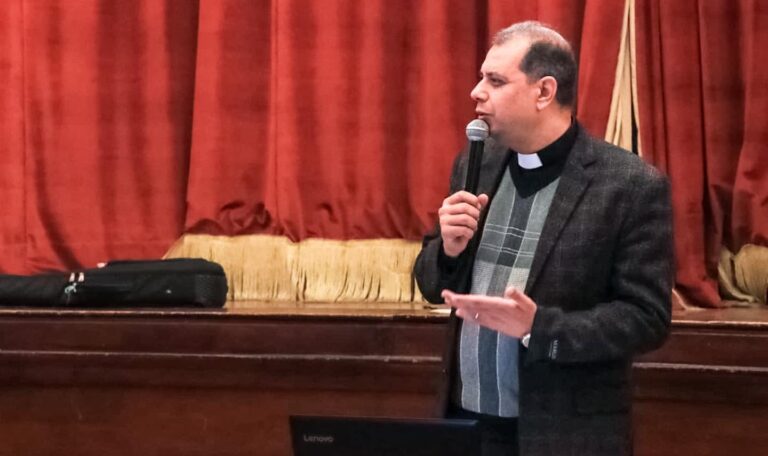
Rev. Ehab Ayoub, pastor of the Episcopal Church of the Savior in Suez, also spoke during the program. He explained that the Church is the community of those called to salvation in Christ, where Christ’s presence becomes a living reality in the lives of those who receive Him by faith. Thus, the Ecclesia becomes God’s new creation, as proclaimed by the Apostle Paul in 2 Corinthians 5:17.
He described the Church as the union of humanity with God in a living fellowship—a single body with Christ as its head and believers as its members, united by the Holy Spirit despite their diversity (Ephesians 2:11–22). The Church is not merely a spiritual gathering but a family of the redeemed who come together to worship God and serve one another, experiencing the transforming grace that unites them. Therefore, he noted, there is no true salvation or spiritual growth apart from participation in the fellowship of the Church, where worship, communion, and mission are fully realized.
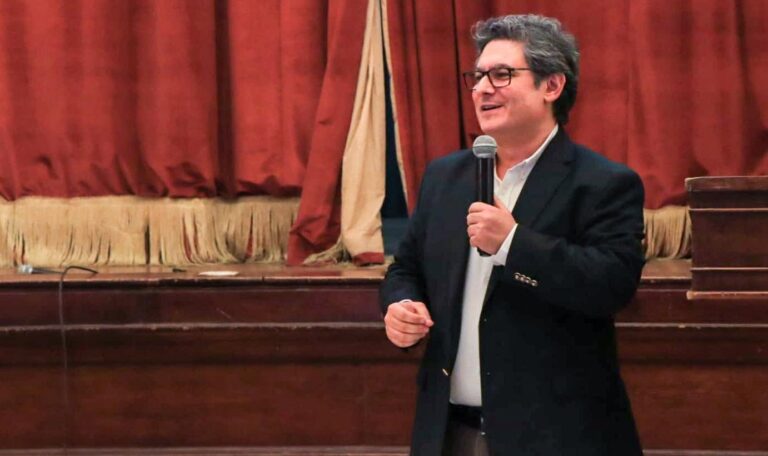
Dr. Shady Mounir, Dean of the Episcopal Theological Seminary, also addressed the participants, explaining that the Seminary seeks to be an active instrument of service and formation by supporting God’s vision for the Diocese through two complementary levels.
The first involves making theological courses available to church members, giving them priority enrollment and offering special discounts, as well as organizing specialized seminars that develop an Anglican understanding of ministry and strengthen the Church’s identity and mission.
The second level consists of a more specialized Episcopal/Anglican formation track designed to equip lay ministers for service within diocesan institutions. This track combines theological and practical courses, integrating academic study with hands-on training. Participants may enroll either as full students or auditors, allowing each person to grow and be equipped according to his or her unique calling.
It is worth noting that the Anglican Episcopal Studies Program is a comprehensive formation pathway offered through the Episcopal Theological Seminary to prepare and train ministers within the Episcopal Church according to its theological and spiritual vision. The program is grounded in a deep understanding of vocation, recognizing that every individual has a unique calling. It therefore provides diverse training opportunities tailored to the nature of each person’s ministry.
The program also demonstrates how the Episcopal Church equips its ministers through academic study, spiritual formation, practical training, and ongoing mentorship. Its goal is not merely to impart theoretical knowledge but to foster practical application in every aspect of life and ministry. In this way, the Church invests intentionally in preparing faithful and effective servants to fulfill God’s purpose for their lives.