
Cairo – Friday, May 15, 2026
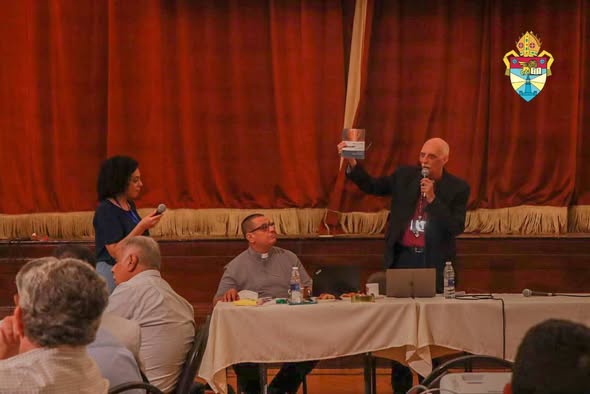
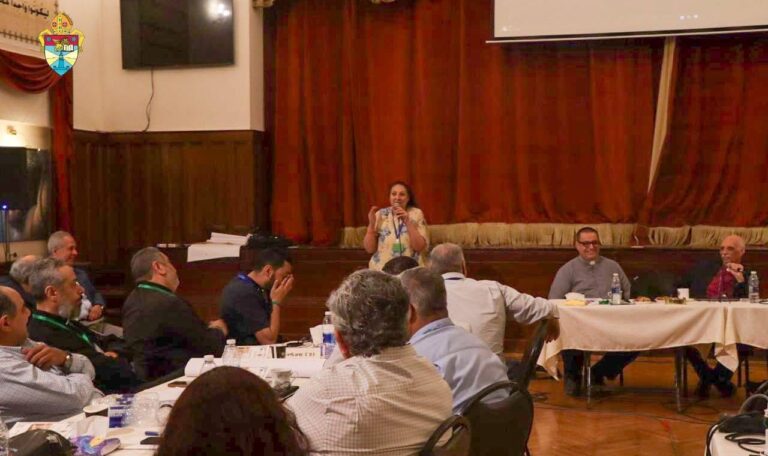
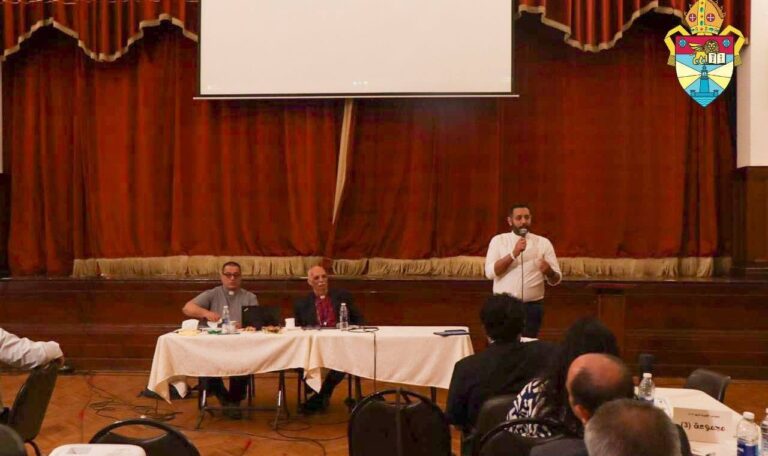
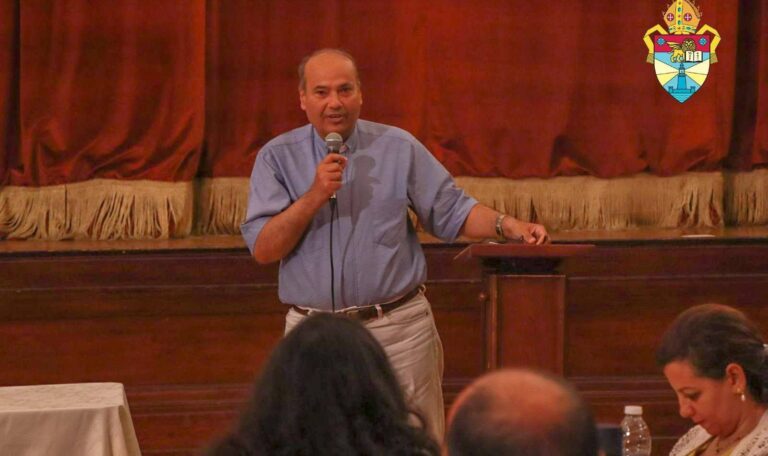
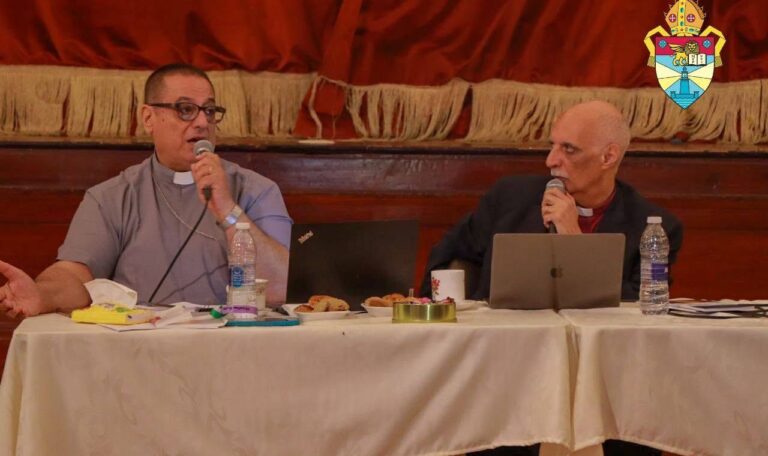
Archbishop Dr. Samy Fawzy, Archbishop of the Alexandria Province of the Episcopal/Anglican Church, presided over the second day of the Diocese of Egypt Synod (the Church’s highest governing body) for 2026, held under the diocesan theme “A Living Church for a Better Society,” with the participation of priests, deacons, church servants, and representatives of various ministries. The Synod sessions were organized by Rev. Canon Medhat Sabry, Secretary of the Synod.
The Archbishop affirmed in his address that the Church is called to be alive and active within society, noting that the Synod carries a forward-looking vision aimed at strengthening the Church’s spiritual and societal role in the coming years through joint work, prayer, planning, and service.
He explained that the Church stands today upon a long heritage of service and faith, built by generations of bishops, priests, and servants. He emphasized that the past five years have witnessed notable spiritual and ministerial growth, along with significant achievements in pastoral care, education, witness, and community service, in addition to the development of partnerships within Egypt and abroad.
He pointed out that the Synod is addressing a central question: “What does it mean for our churches to truly be living churches over the next five years?” This is being explored through three main themes: what makes a church living, what obstacles hinder this, and what practical steps can be taken together to achieve this vision.
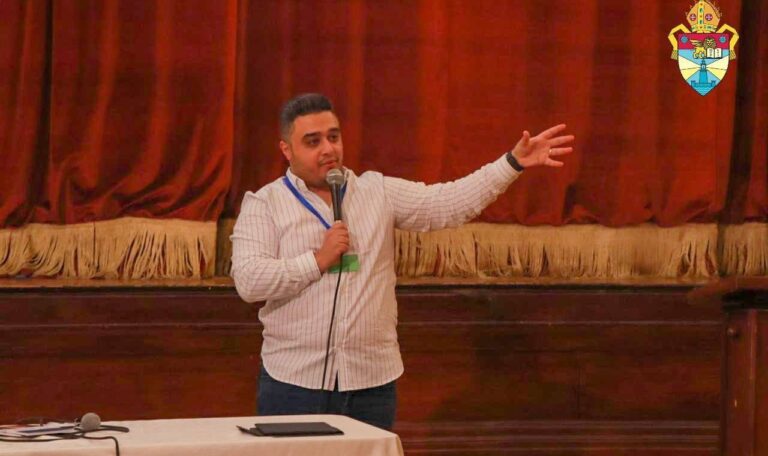
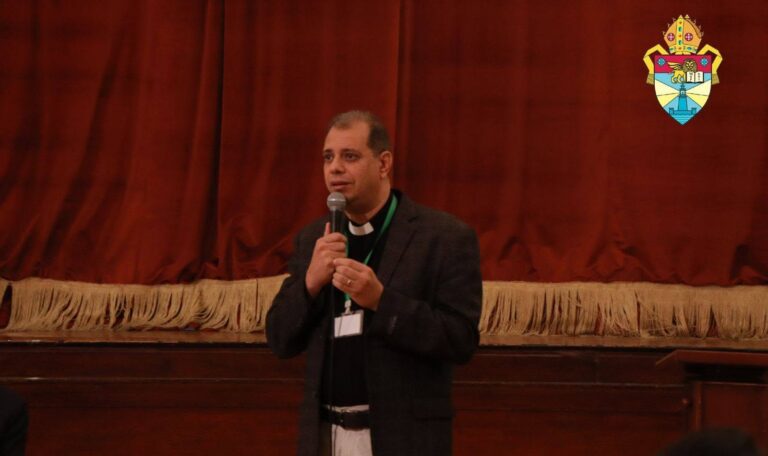
The second day included discussion sessions and working groups, during which detailed reports were presented for 30 churches within the diocese. Church representatives reviewed key activities, services, and achievements from the past five years, as well as major challenges and future visions for ministry.
The Synod also witnessed wide participation from Arabic- and English-speaking churches, as well as Sudanese ministry churches and deaf and hard-of-hearing congregations, reflecting the cultural and ministerial diversity of the Episcopal Diocese of Egypt.
Various Episcopal ministries also presented their annual reports, including children’s ministry, women’s ministry, prison ministry, youth ministry, family ministry, prayer ministry, evangelism ministry, and discipleship ministry, highlighting key initiatives and activities implemented to serve society and strengthen the Church’s pastoral and developmental role.
In addition, the Synod featured presentations from heads of various diocesan departments, including summaries of each sector and its major achievements. These included the Development Sector, Education Sector, Media and Culture Sector, Refugee Sector, and Medical Sector.
In line with the Church’s commitment to inclusion and accessibility, full English interpretation was provided during all Synod sessions, along with sign language interpretation for the deaf and hard of hearing, ensuring full participation for all attendees.
The second day concluded in an atmosphere of prayer, dialogue, and collaborative work, affirming the Diocese’s vision of building “A Living Church for a Better Society,” one that serves humanity and society in a spirit of love, partnership, and hope.
Issued by the Press Office of the Diocese of Egypt – Episcopal/Anglican Church