
Cairo – Monday, September 28, 2026
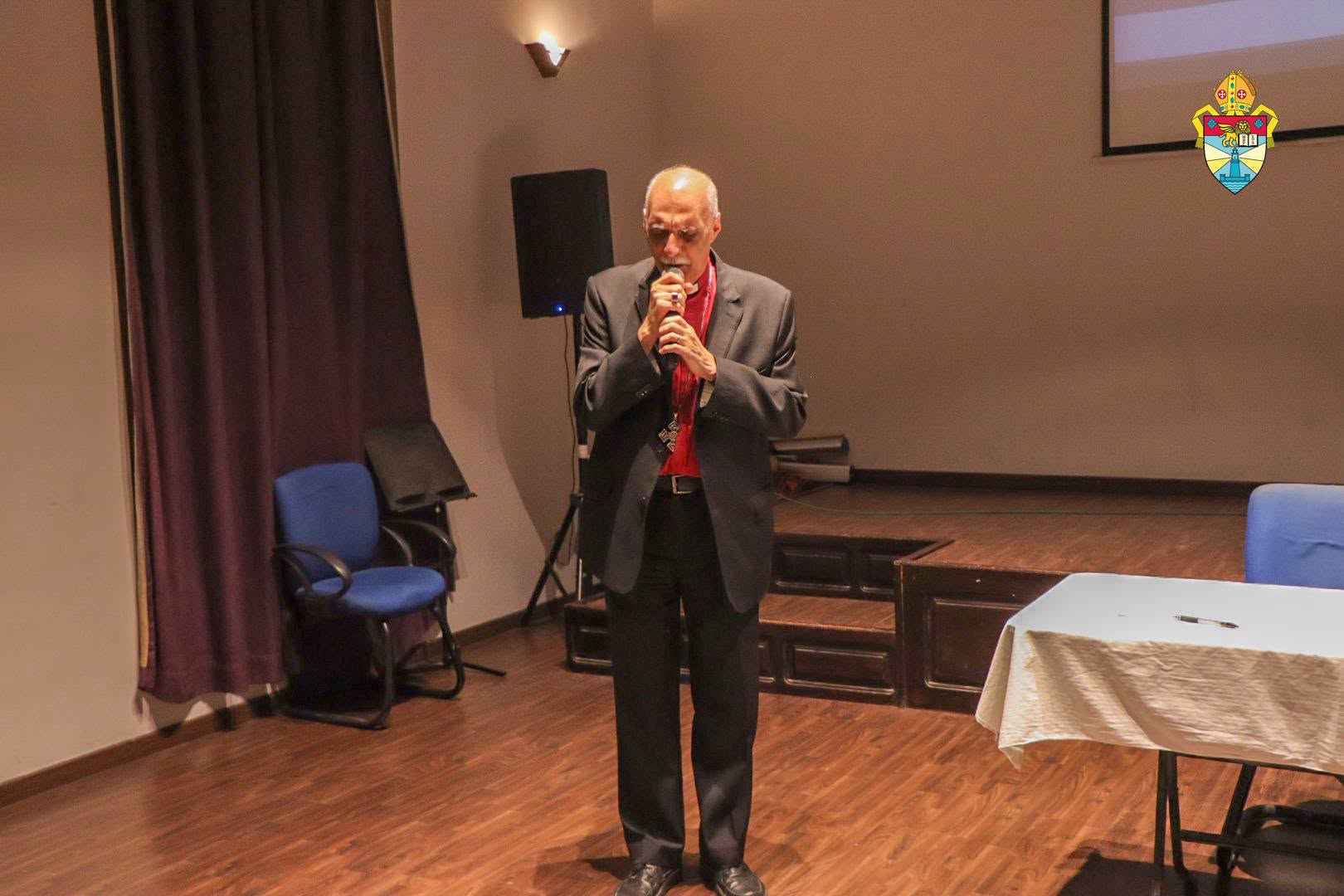
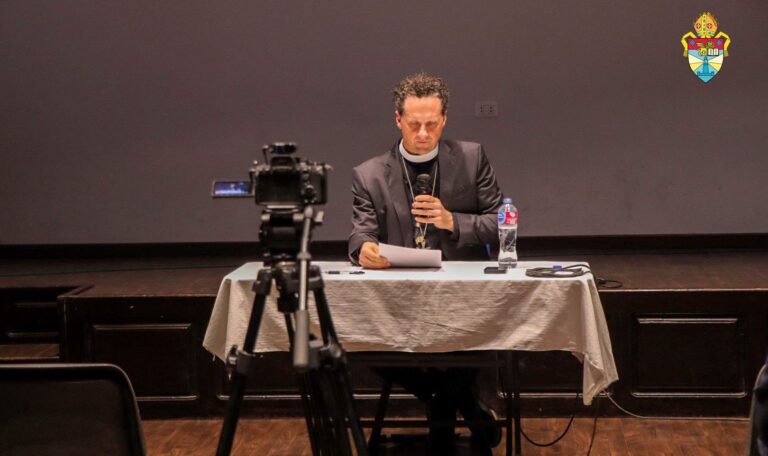
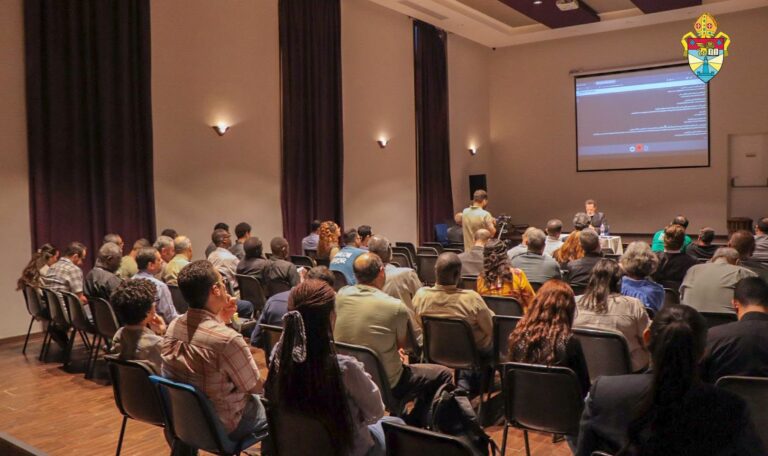
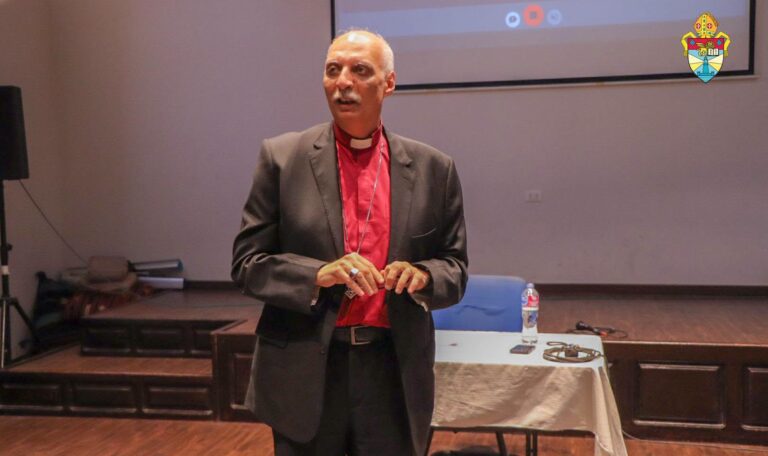
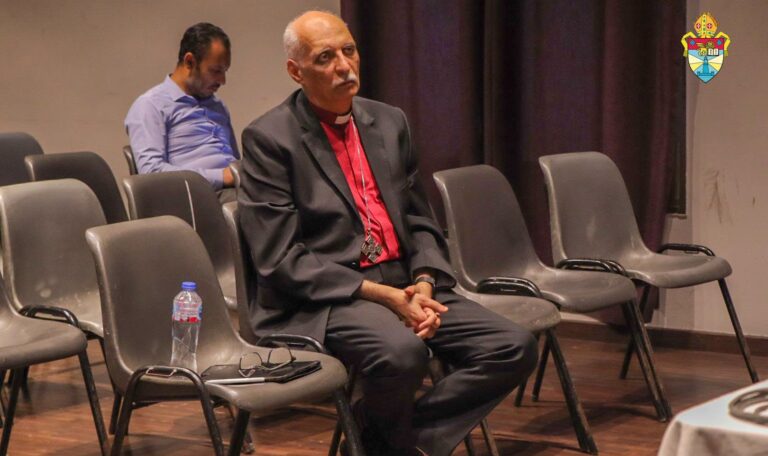
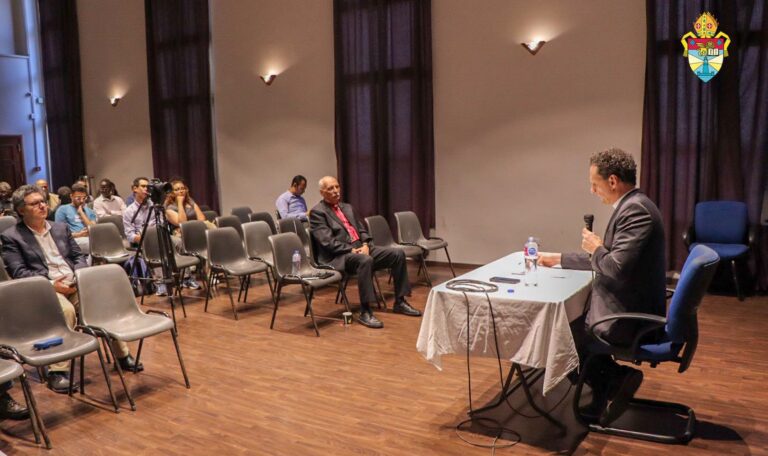
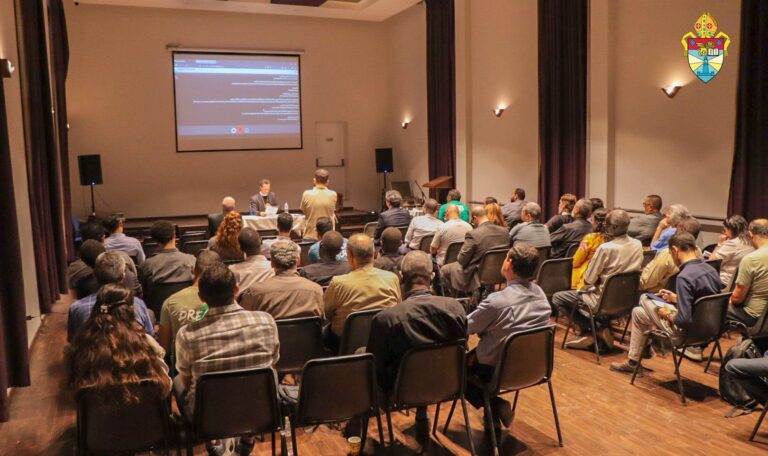
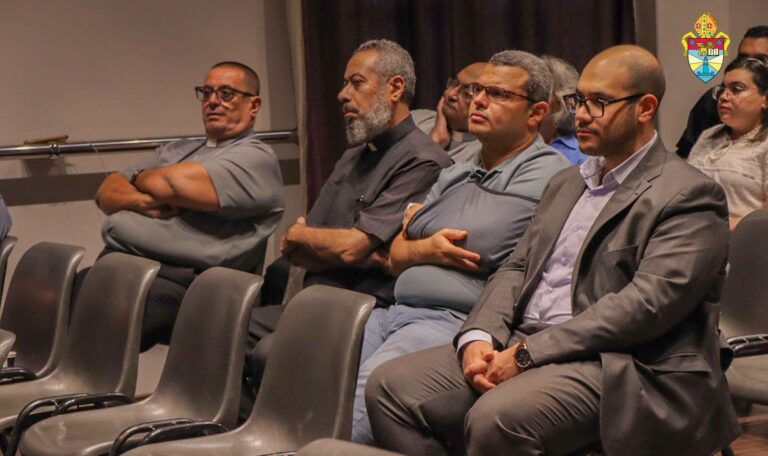
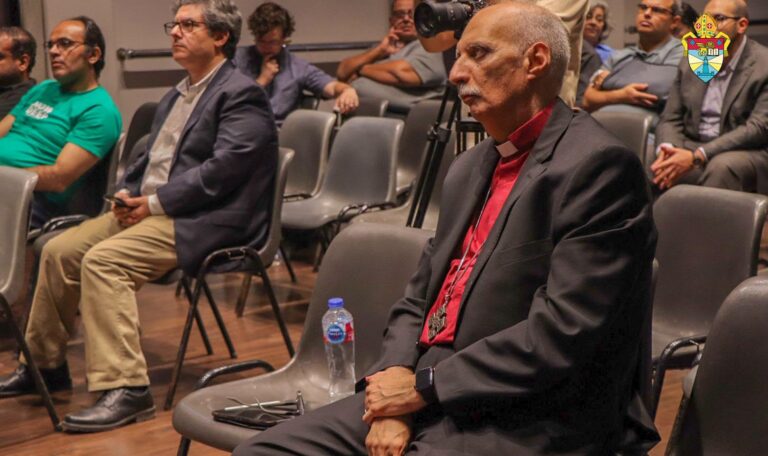
The Episcopal Diocese of Egypt, under the leadership and in the presence of His Grace Bishop Dr. Samy Fawzy, Archbishop of the Episcopal Province of Alexandria and Bishop of the Episcopal Diocese of Egypt, organized through the Episcopal School of Theology a seminar entitled “The One Lord Jesus Christ in Late Patristic Christology” at All Saints’ Cathedral in Zamalek.
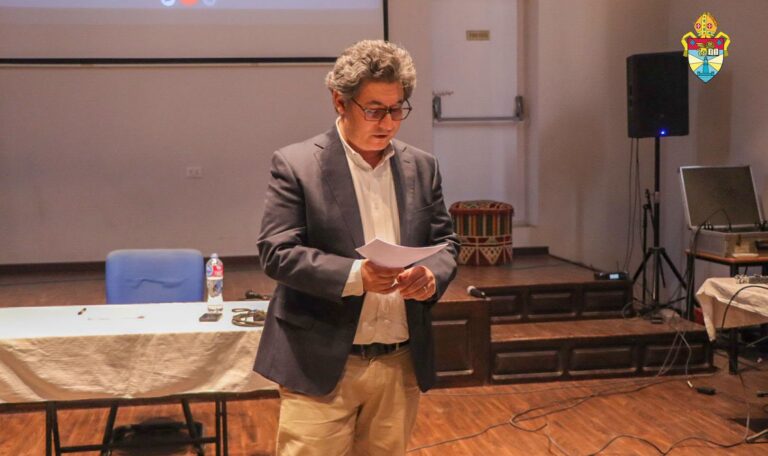
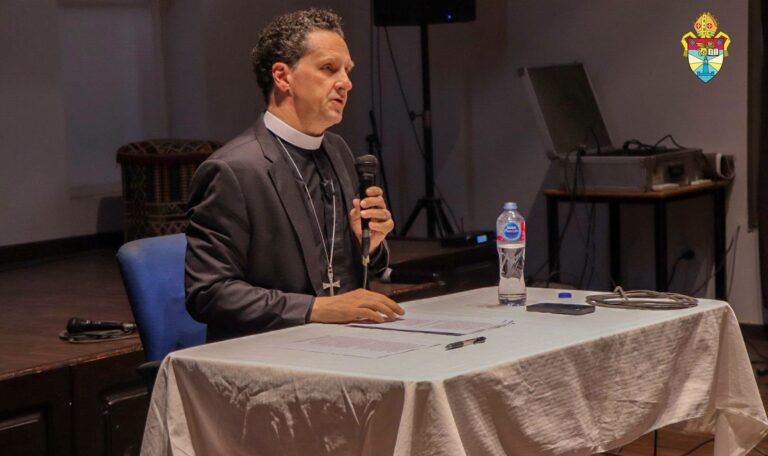
The Archbishop welcomed Dr. Christopher Bailey, Professor of Theological Studies, expressing his appreciation for his participation in the seminar and emphasizing the importance of his presence and contributions to the field of theological studies.
Dr. Shady Anis, Dean of the Episcopal School of Theology, also welcomed Dr. Christopher Bailey, noting that his participation represents an important opportunity for those interested in theological and patristic studies, given his academic expertise in early Christian theology and its history, as well as modern Anglican heritage.
Bailey holds the position of Associate Professor of the Walter H. Gray Chair of Anglican Studies and Patristics. He also teaches early Christian theology and its history, with particular interest in modern Anglican heritage. He is the editor of the Patristic Monograph Series and serves on the board of the North American Patristics Society. He previously served as Director of the American Society for Church History.
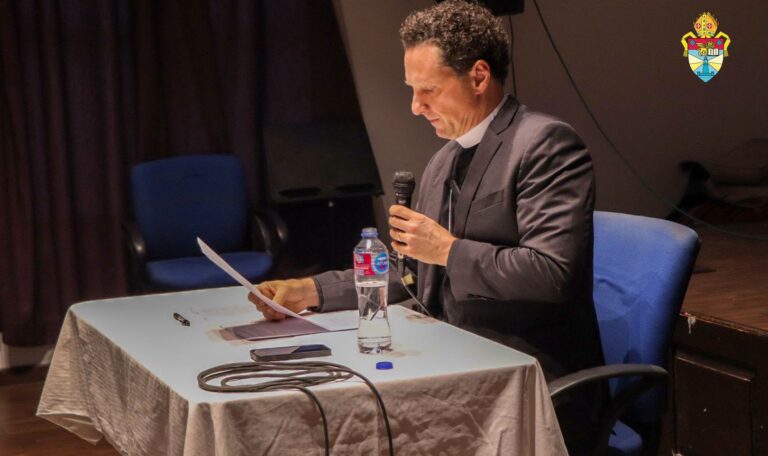
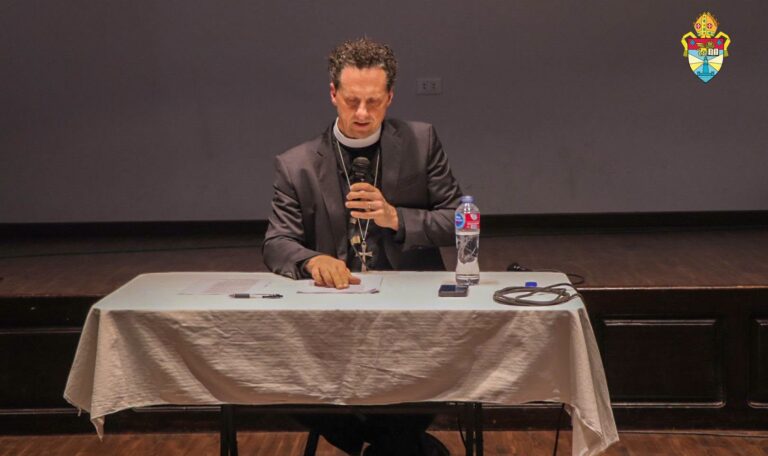
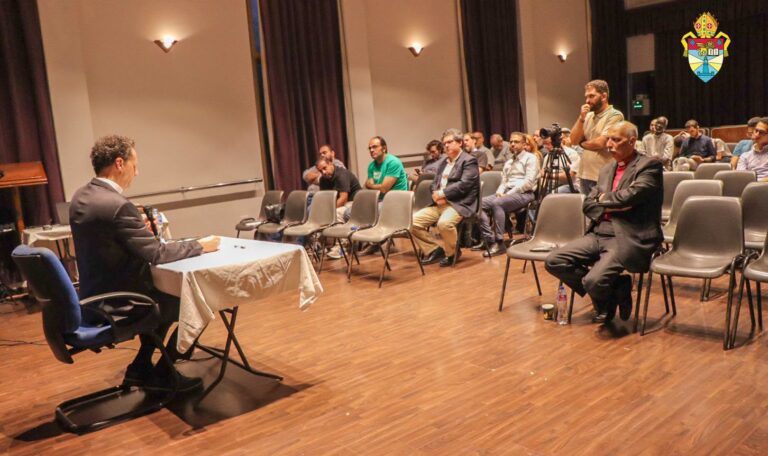
The seminar featured a lecture by Dr. Christopher Bailey, Professor of Theological Studies, who explored the development of Christological thought in the writings of the Church Fathers during the later patristic period, with particular focus on the theological thought of St. Cyril of Alexandria and his emphasis on the unity and uniqueness of Christ as the Word of God who became human.
The speaker addressed a number of issues related to understanding Christ’s nature and His divine and human identity, explaining how this understanding shaped theological thought and ecclesiastical debates during the later patristic period.
The lecture also traced the development of the reception of Cyril of Alexandria’s thought in subsequent periods, leading to councils and theologians who addressed questions concerning Christ’s nature, will, and activity. The discussion highlighted attempts to reconcile the affirmation of Christ’s unity with the preservation of the reality of His full humanity. The speaker concluded by emphasizing the continuing significance of Cyril’s thought in the later patristic tradition, particularly regarding the unity of Christ and the understanding of the Incarnation and salvation.
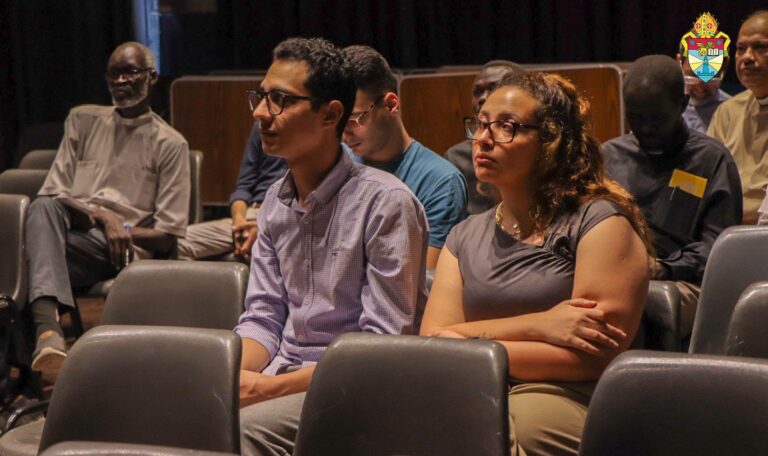
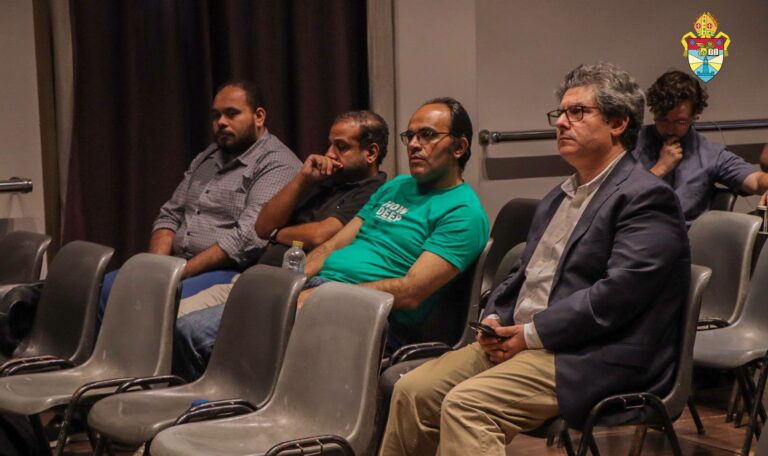
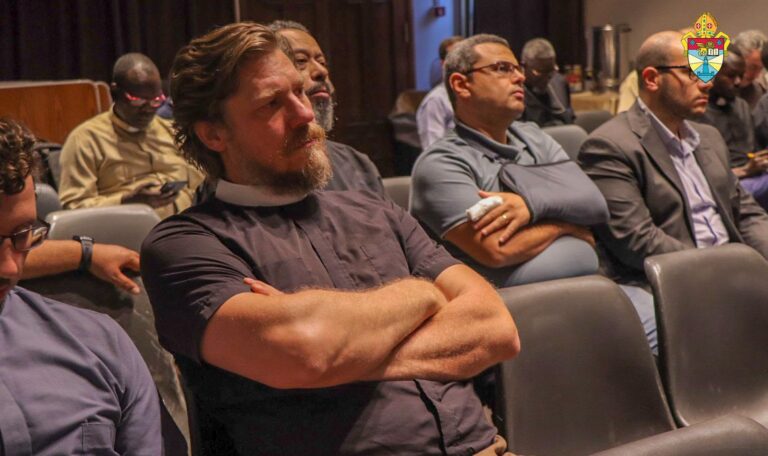
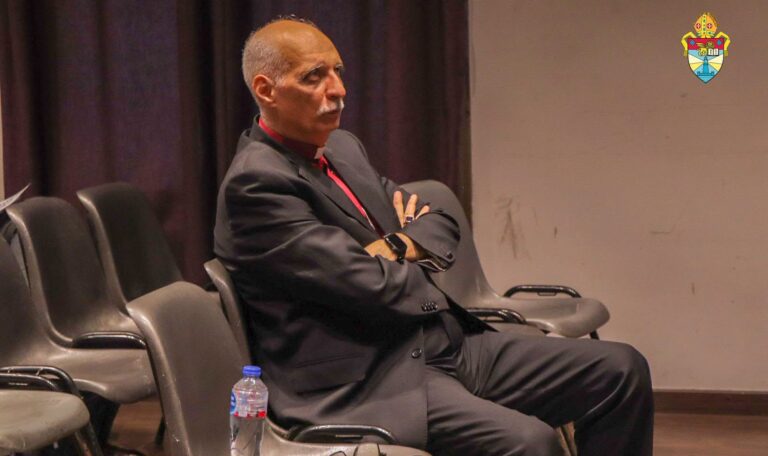
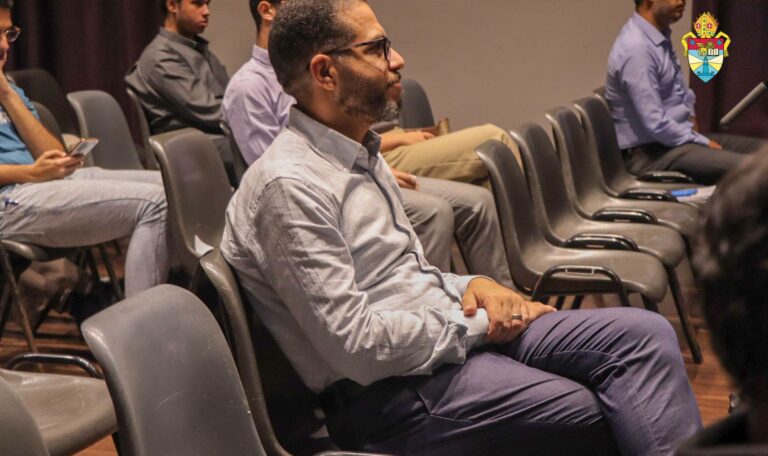
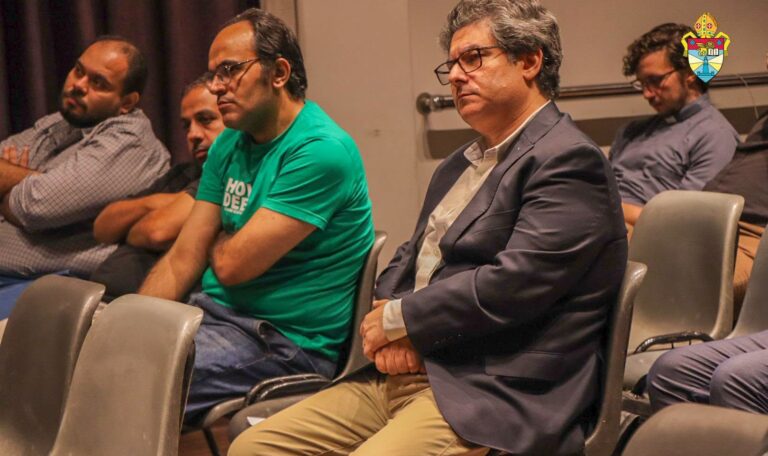
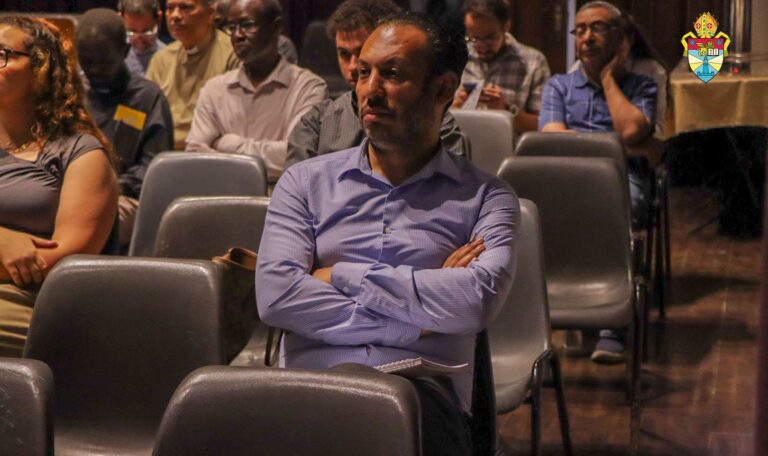
The seminar witnessed extensive engagement from attendees, who participated in the discussion and raised a number of questions concerning the topics addressed in the lecture. These included questions related to divine suffering and Cyril of Alexandria’s understanding of it, as well as various terms and concepts associated with patristic Christology.
The seminar forms part of the Episcopal Diocese’s commitment to providing academic spaces for dialogue and specialized study in theology, church history, and patristic thought through the Episcopal School of Theology. It also seeks to provide students, researchers, and those interested in these fields with opportunities to engage with theological scholarship and discuss its various themes.
Issued by
The Media Office of the Episcopal Diocese of Egypt
Episcopal Church of Egypt