
Cairo – Thursday, July 9, 2026
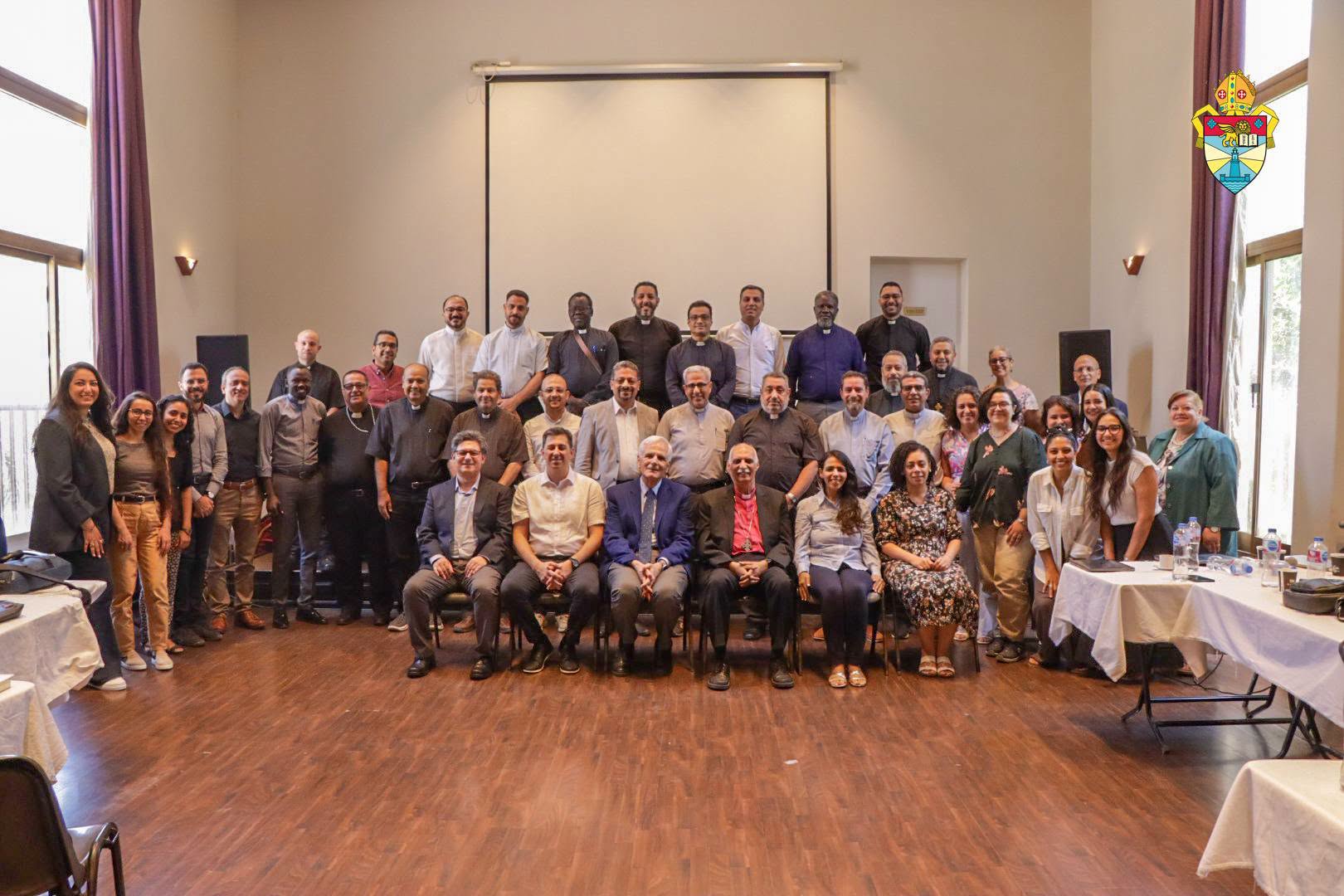
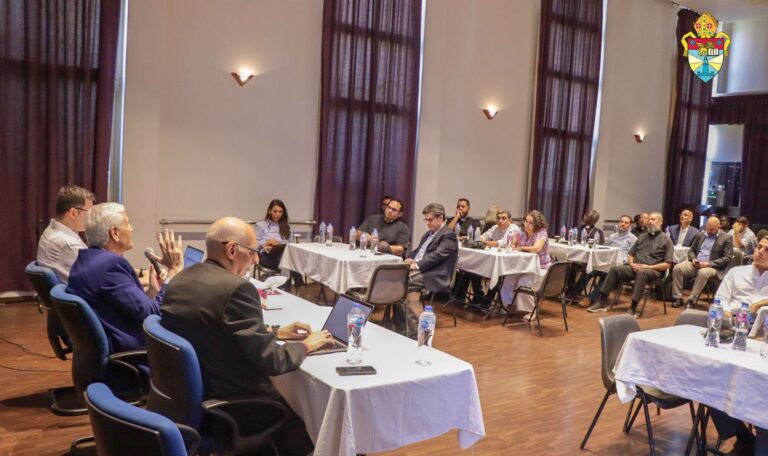
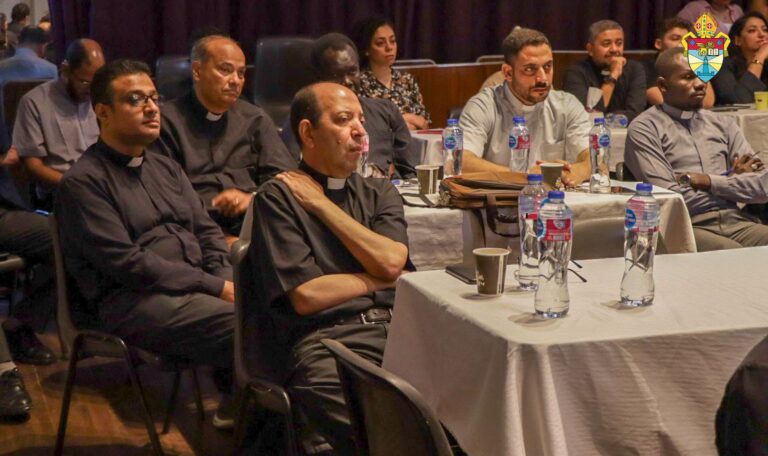
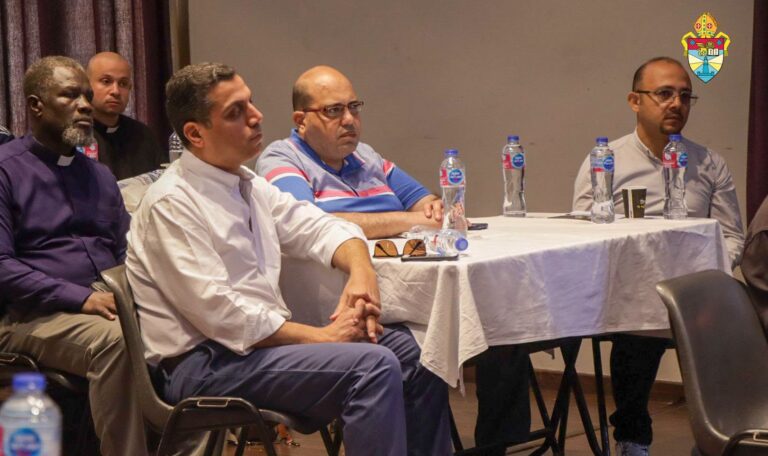
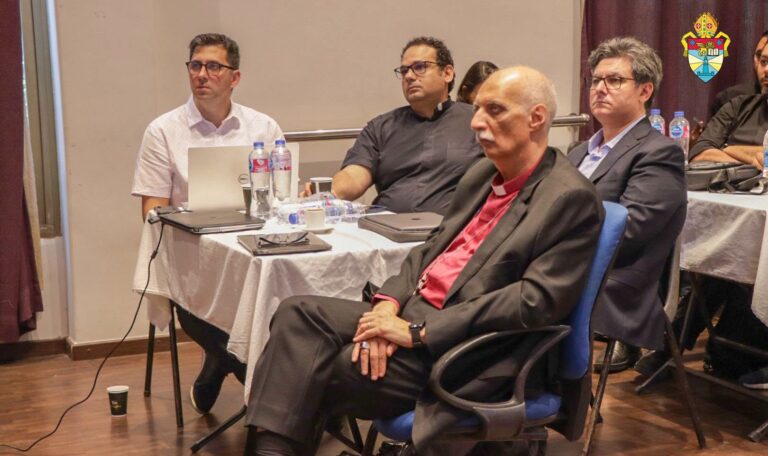
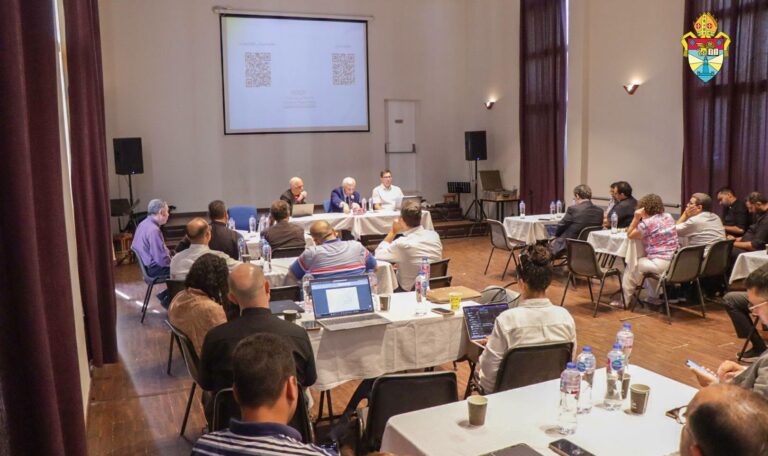
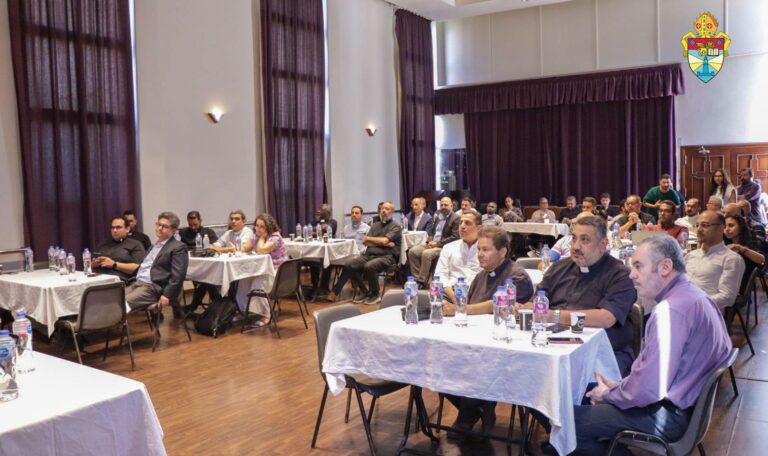
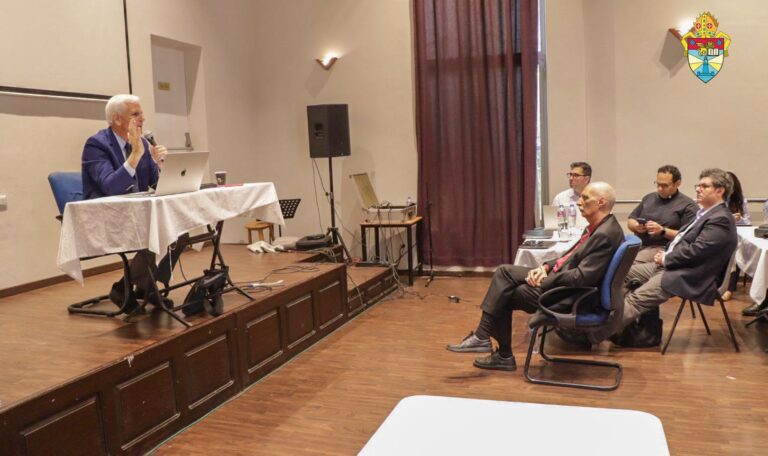
The Episcopal Church in Egypt, under the leadership of Archbishop Dr. Samy Fawzy, Archbishop of the Province of Alexandria of the Episcopal/Anglican Church, in partnership with the Episcopal Theological Seminary, represented by Dr. Shady Anis, organized a training workshop entitled “Academic Writing and Publishing in the Arab Christian Context.” The workshop was designed for clergy and was also attended by students from various theological colleges. It reflects the Church’s commitment to strengthening theological scholarship, developing research and writing skills, and encouraging church leaders to produce intellectual and academic work that serves both the Church and society.
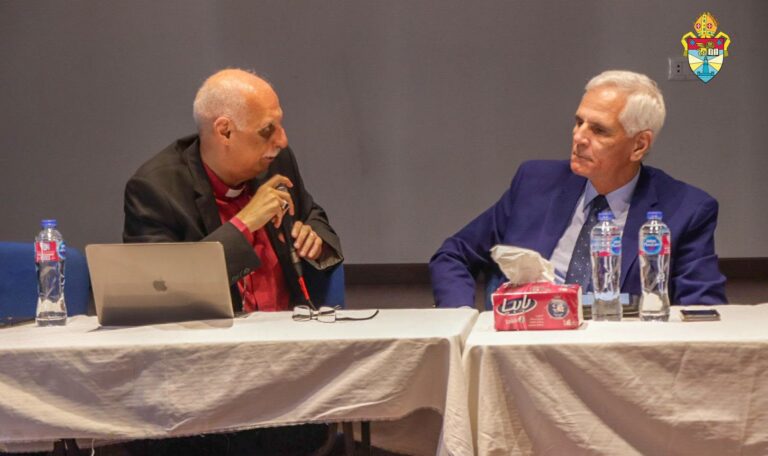
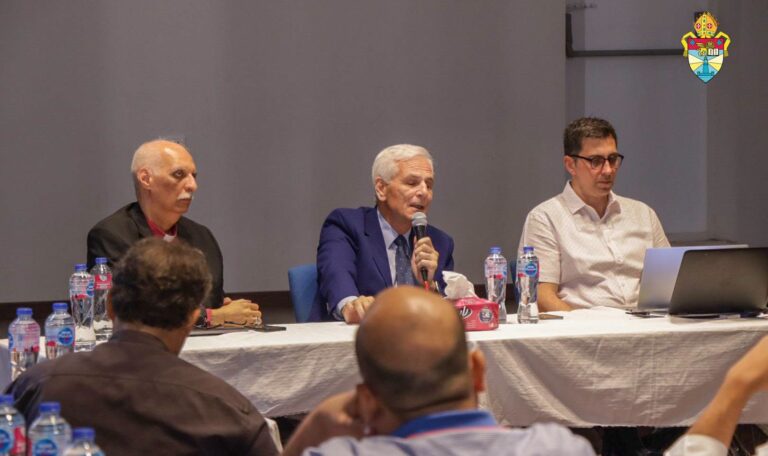
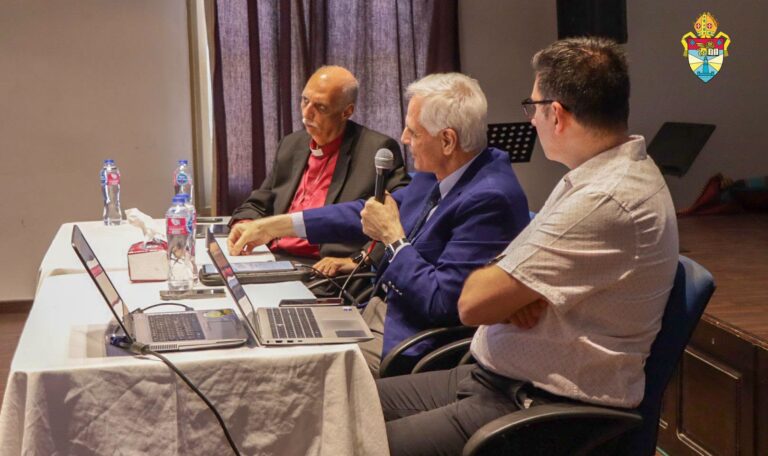
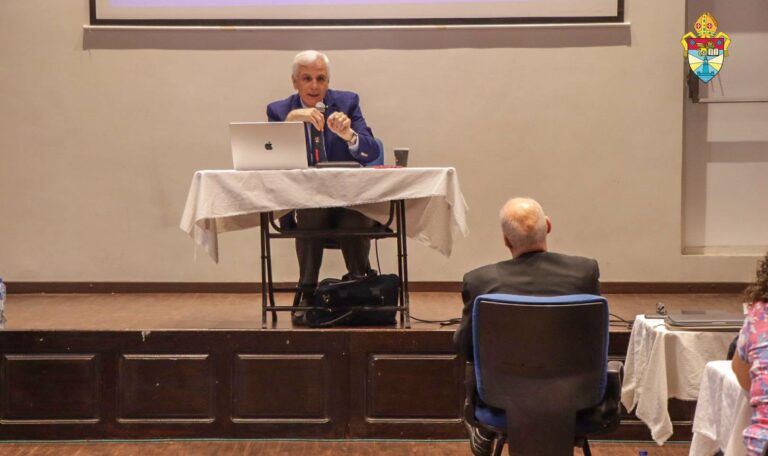
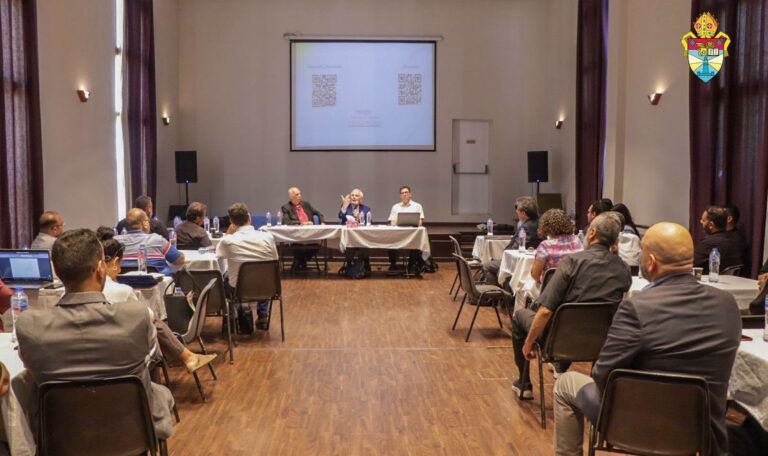
The workshop was led by Dr. Imad Shehadeh, Professor of Systematic Theology and Founder and President of the Jordanian Evangelical Theological Seminary (JETS) in Amman, Jordan. Drawing on his extensive academic experience in writing and publishing, he presented a comprehensive overview of the principles of academic writing within the Arab Christian context.
Dr. Shehadeh opened the workshop by speaking about the motivation for writing, emphasizing that writing begins as a calling and a mission rather than merely a skill or a means of gaining recognition. He described it as a way of serving the Church spiritually and equipping it to serve the wider community.
He further stressed that writing for the Church should be rooted in God’s calling. He also highlighted the importance of building professional relationships with publishing houses and church institutions, noting their vital role in supporting authors and the publishing process. In addition, he emphasized the importance of academic integrity, proper citation of sources, and respect for people of different religions and beliefs.
Dr. Shehadeh pointed out that academic knowledge alone is not enough to produce an influential book. A successful author must also possess practical experience, engage with people, and understand their needs and concerns in order to create content that resonates with readers. He affirmed that the true success of a book is measured not by the number of copies sold, but by its ability to make a meaningful impact on people’s lives—even if that impact is on just one individual.
The workshop also explored ways to develop writing skills and examined the various stages of producing a book through publication. Particular attention was given to refining an author’s writing style and understanding both traditional and digital publishing processes.
On the academic side, Dr. Shehadeh discussed recognized scholarly methodologies for working with biblical texts, including Old and New Testament textual criticism and the principles of sound translation. He also underscored the importance of respecting intellectual property rights in academic research.
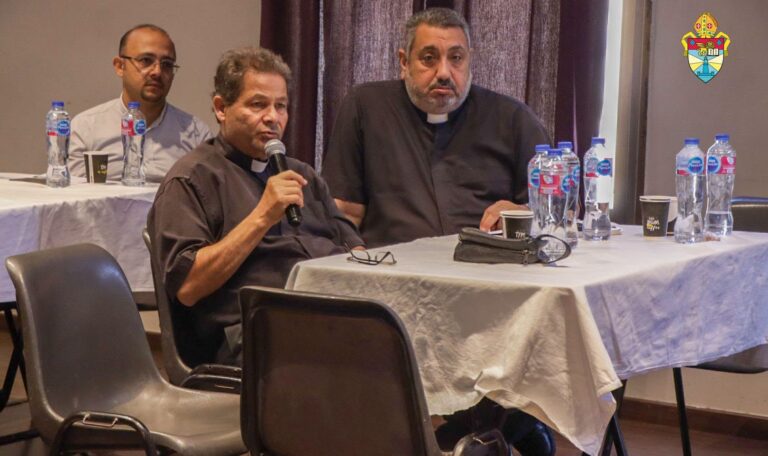
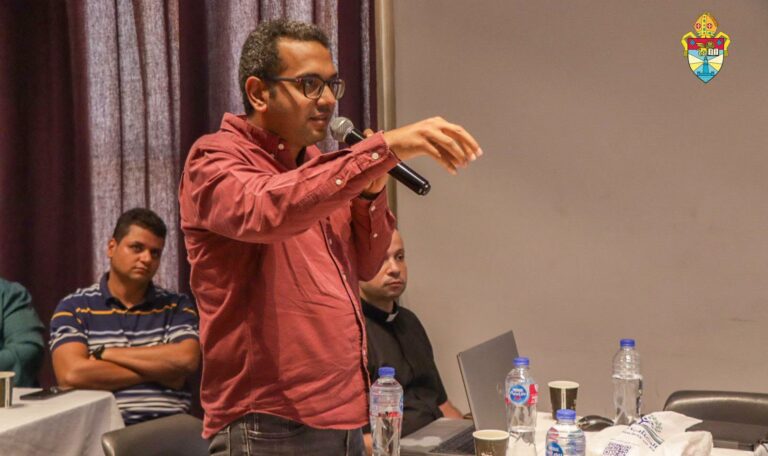
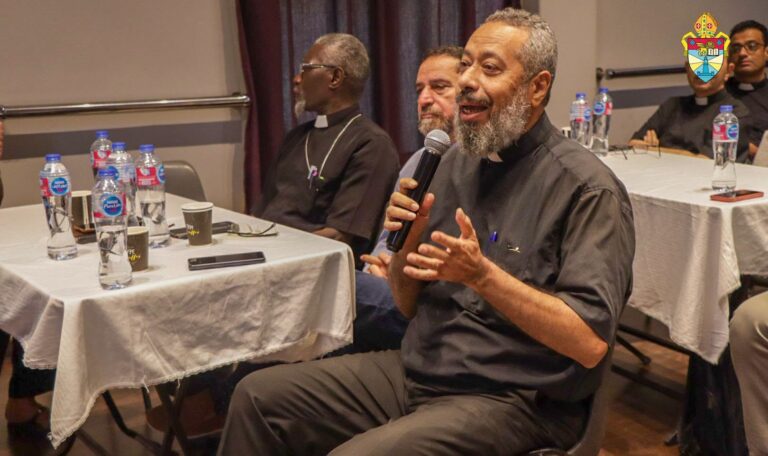
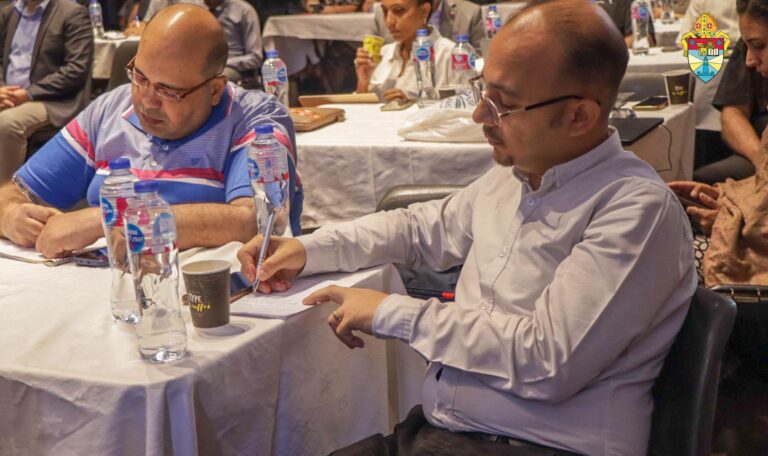
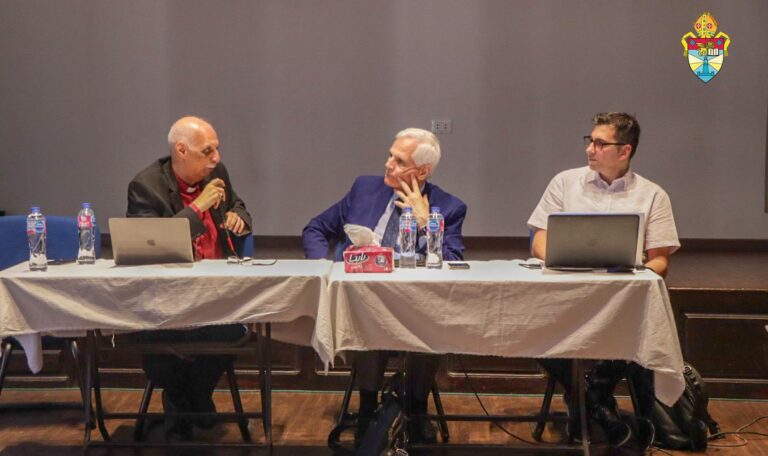
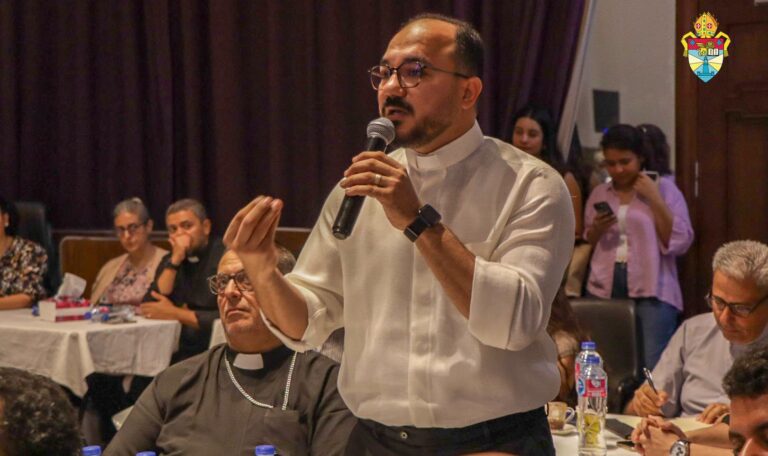
The workshop featured active participation from attendees, who raised questions about the challenges of writing and publishing in the Arab world and discussed ways to strengthen intellectual and theological production within the Church. The event concluded with an interactive question-and-answer session, followed by a time of fellowship and lunch, providing participants with an opportunity to exchange experiences and strengthen professional relationships.
This workshop is part of the Episcopal Church’s ongoing commitment to developing the intellectual and academic capacities of its clergy and church leaders. Through such initiatives, the Church seeks to prepare qualified leaders capable of producing theological and academic scholarship that serves both the Church and society while strengthening the presence of Arab Christian thought in the fields of research and publishing.
In line with its commitment to the academic formation of students and church leaders, the Episcopal Theological Seminary also announced that applications are now open for the 2026–2027 academic year at its three campuses in Cairo, Alexandria, and Upper Egypt, continuing its mission of preparing academically and theologically qualified leaders for ministry in the Church.
Issued by:
The Press Office of the Anglican Episcopal Diocese of Egypt