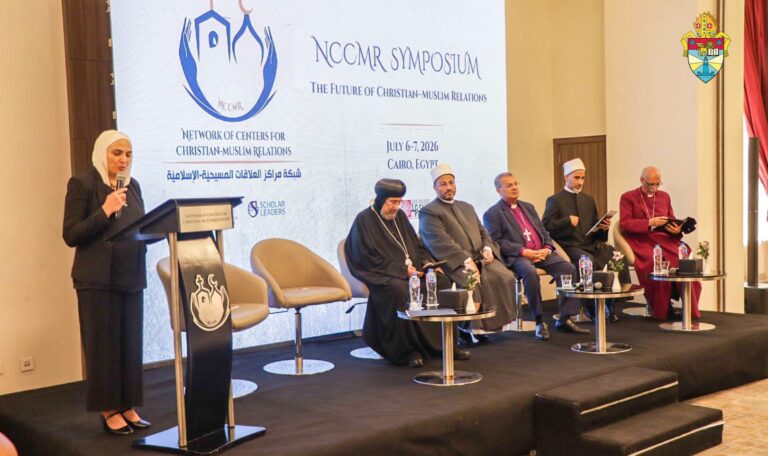
Cairo – Monday, July 6, 2026
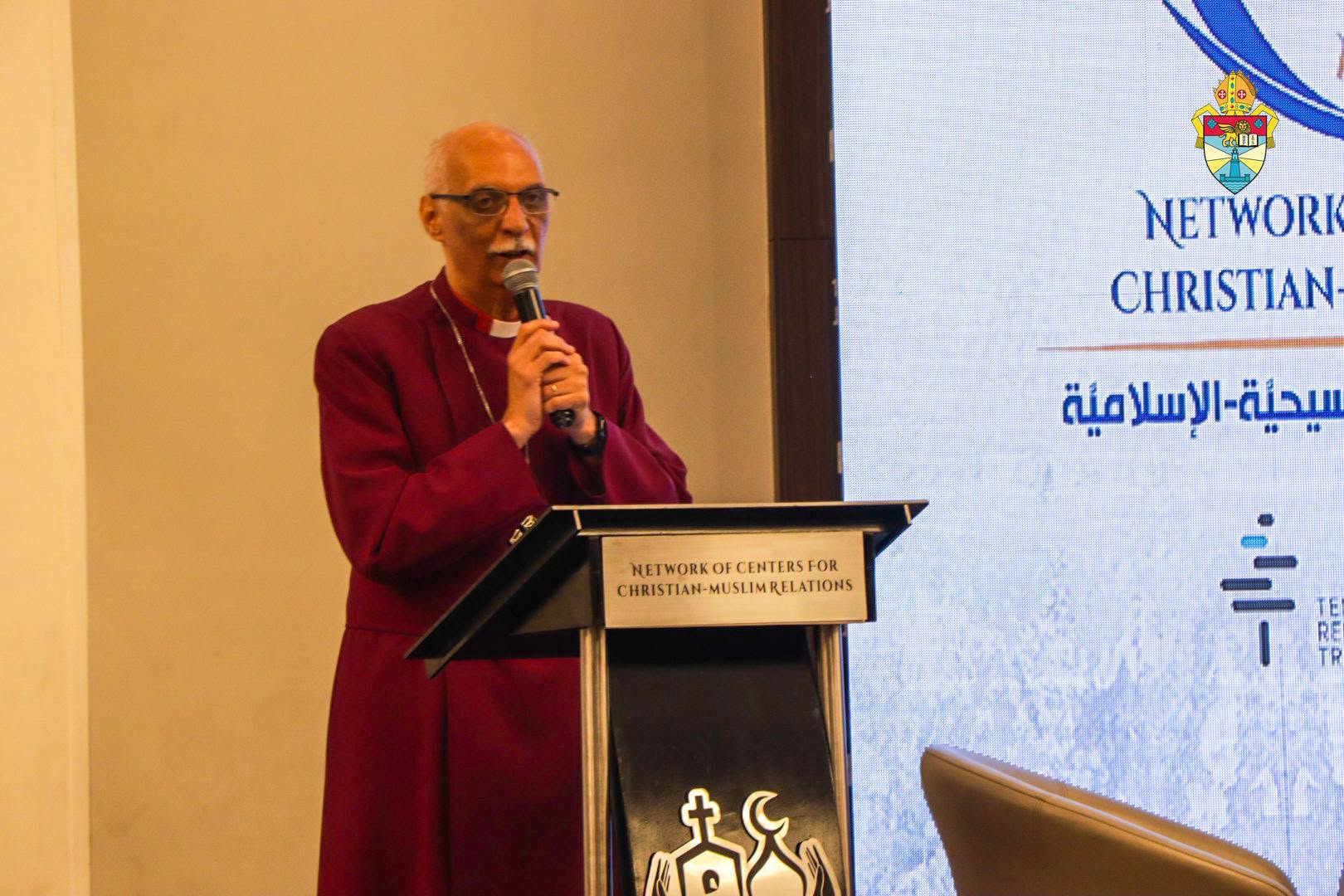
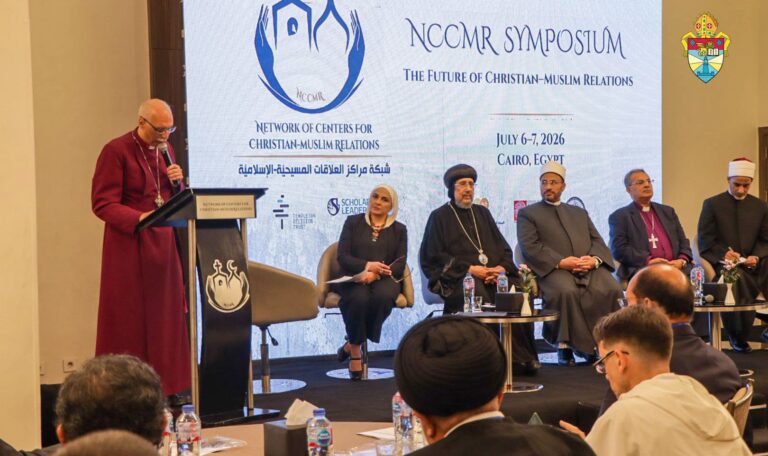
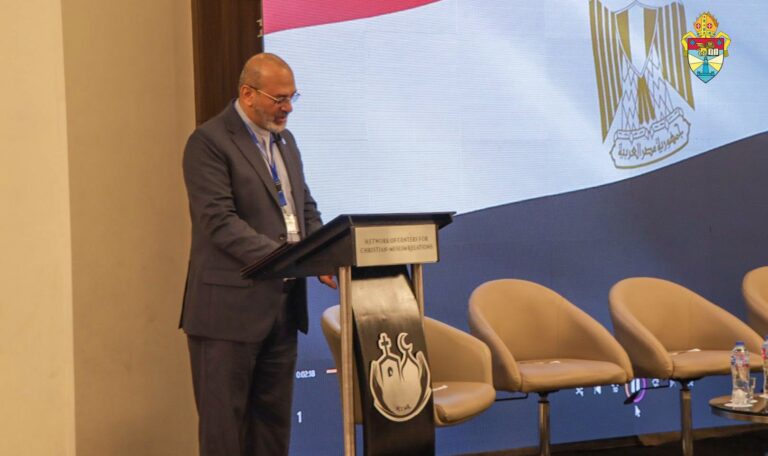
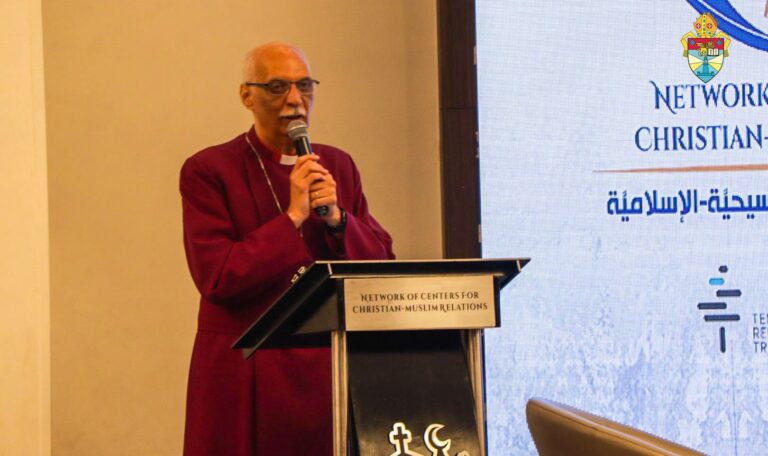
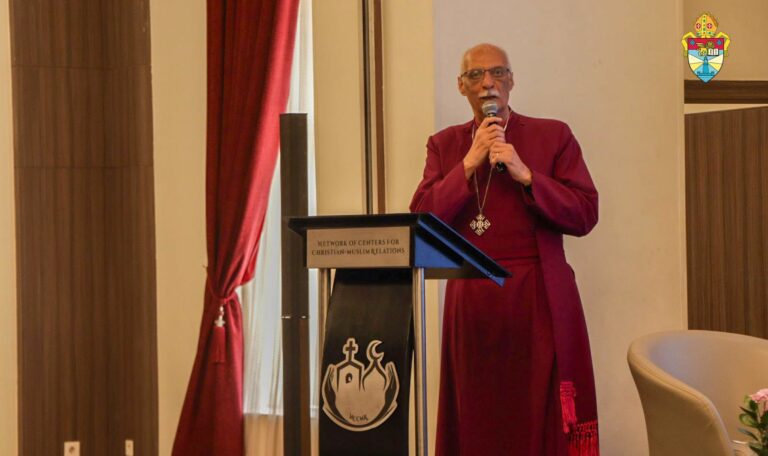
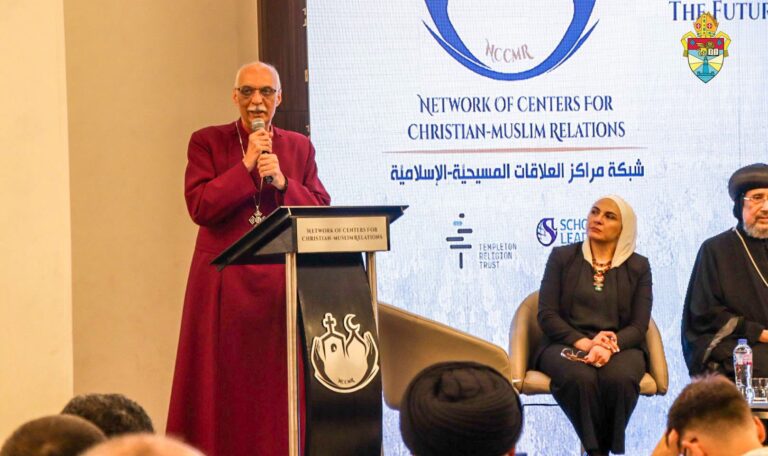
The Most Rev. Dr. Sami Fawzy, Archbishop of the Episcopal/Anglican Province of Alexandria and Archbishop in Egypt, affirmed that genuine respect for the beliefs and convictions of others is the cornerstone of building a peaceful society. He stressed that dialogue alone is not enough unless it is transformed into sustained institutional action through Christian–Muslim relations centers, which play a vital role in fostering a culture of coexistence and strengthening the values of mutual respect.
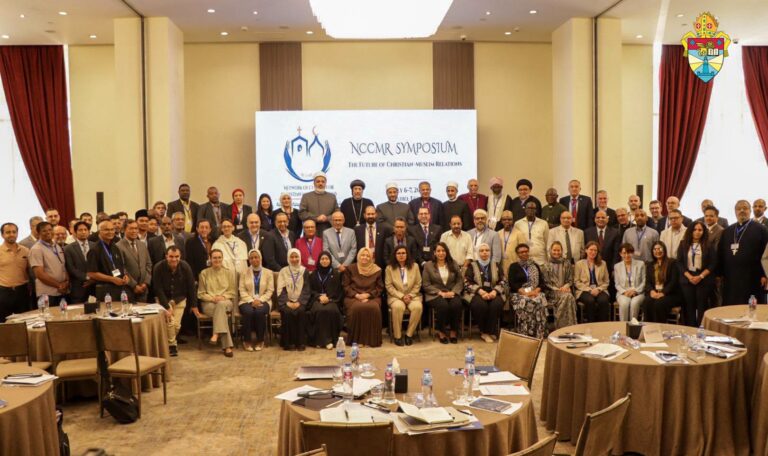
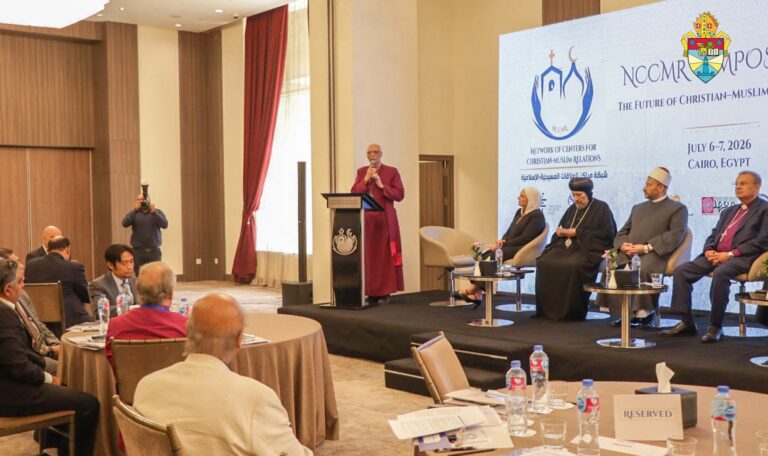
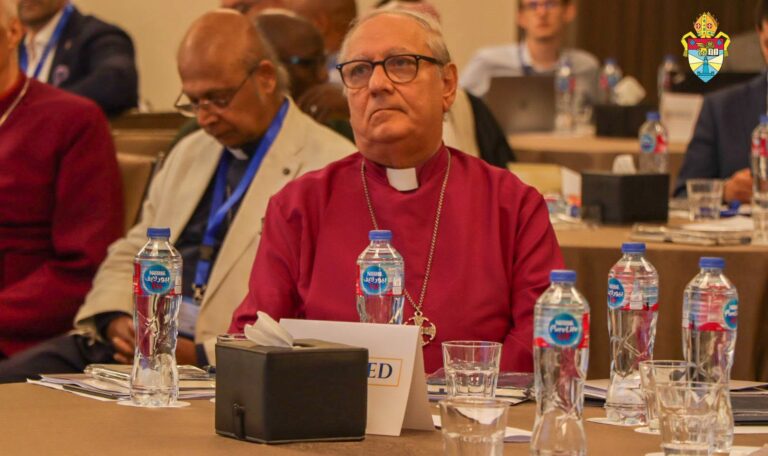
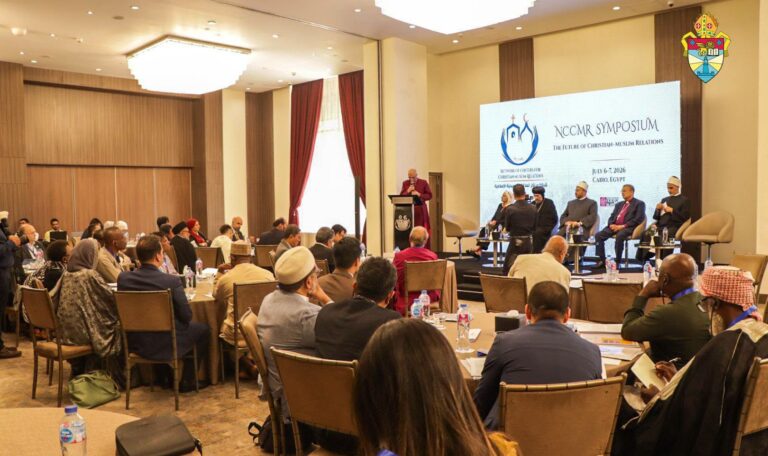
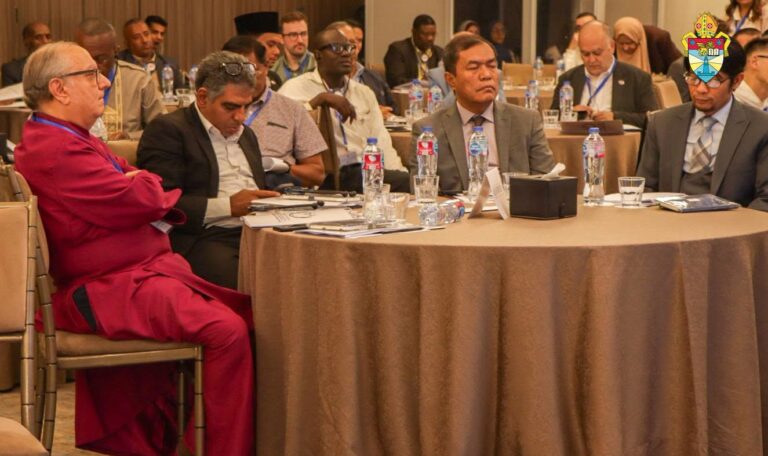
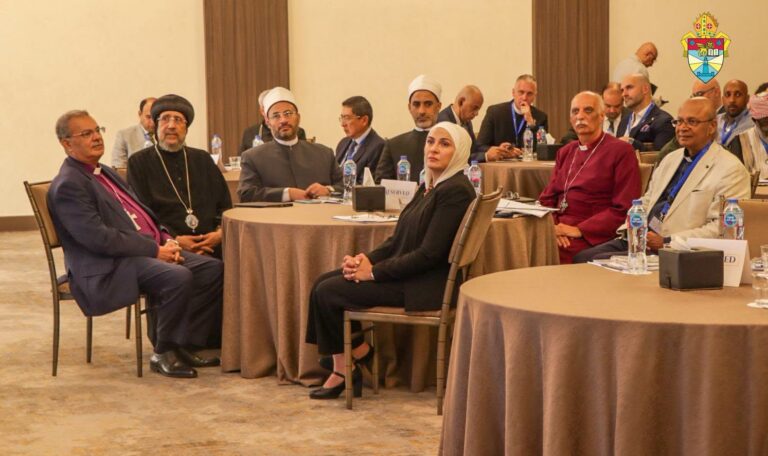
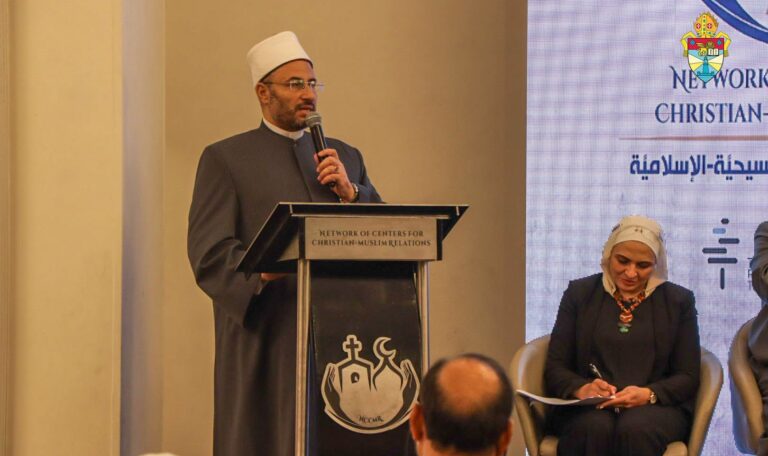
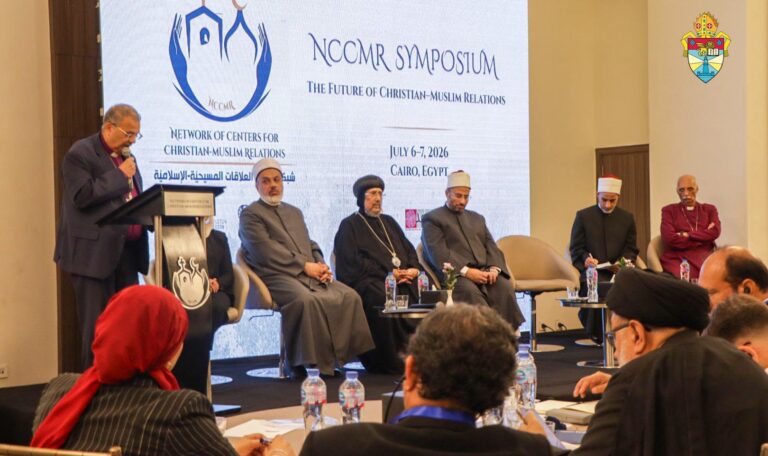
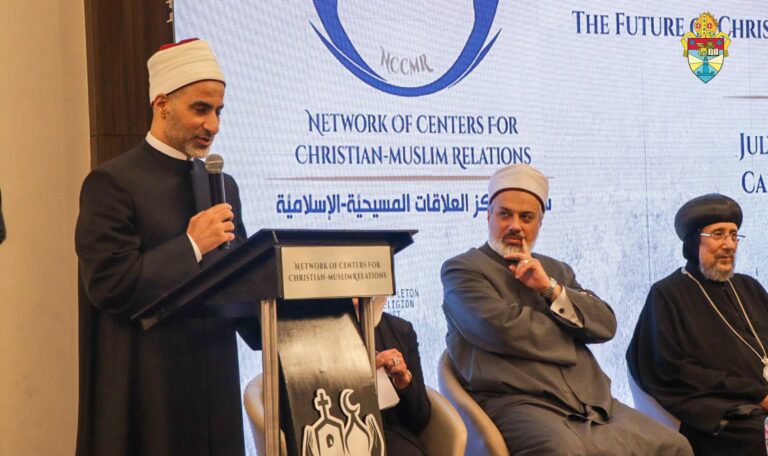
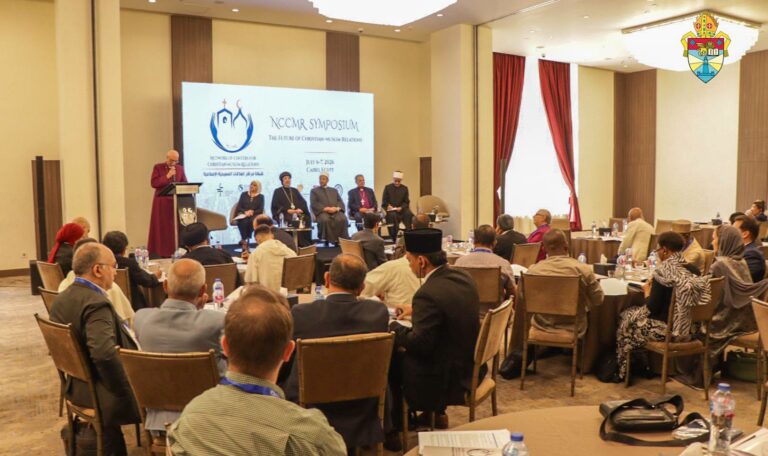
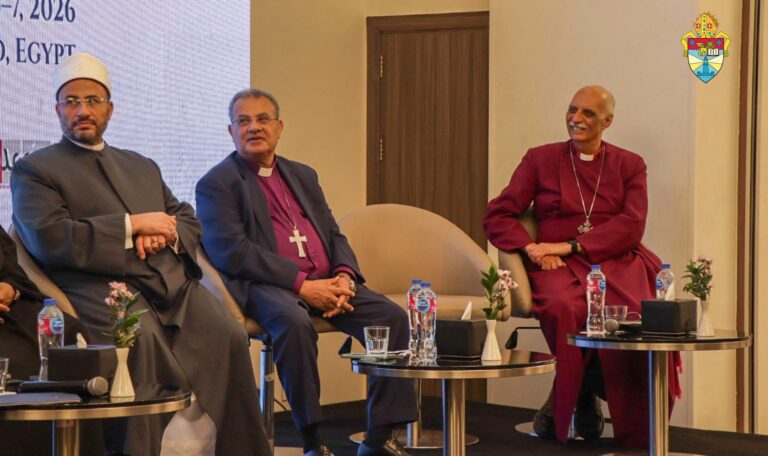
Archbishop Fawzy made these remarks during his address at the international conference of the Network of Christian–Muslim Relations Centres (NCCMR), hosted in Cairo under the theme “The Future of Christian–Muslim Relations: Prospects and Challenges.” The conference brought together religious leaders, academics, researchers, and experts from Asia, Africa, and Europe.
At the beginning of his address, the Archbishop expressed his appreciation to the Network of Christian–Muslim Relations Centres for its kind invitation. He noted that his participation stemmed from a deep conviction in the importance of dialogue and acknowledged that many of those attending the conference had devoted their lives to this noble mission.
Archbishop Fawzy then posed two questions that he described as among the most pressing of our time: How can we truly respect the faith and convictions of others? And why are good intentions and kind words alone insufficient, making specialized Christian–Muslim relations centers essential?
He explained that respecting others goes beyond merely accepting their existence. It means fully recognizing their right to hold their own beliefs and to express their faith and convictions freely. True respect, he emphasized, does not require agreement; rather, it is rooted in the mutual recognition of every person’s inherent human dignity.
Archbishop Fawzy remarked that those who are firmly grounded in their own faith are often better able to respect those who believe differently. He added, “Dialogue is conversation, but respect is a way of life.” Genuine respect, he said, is demonstrated by defending the rights and dignity of others—even in their absence—and by teaching future generations to honor those of different religious beliefs and perspectives.
He further noted that the Christian faith calls believers to love their neighbors, drawing on the many teachings of Jesus Christ on this subject. He explained that one’s neighbor includes every person with whom we share our homeland and daily life, adding that Egyptian society offers a unique example of peaceful coexistence between Muslims and Christians over many centuries.
The Archbishop emphasized that Christian–Muslim relations centers play a role far greater than simply organizing meetings and conferences. They transform goodwill into lasting institutions that preserve accumulated experience, build trust, cultivate a culture of attentive listening, and provide a constructive presence during times of crisis by addressing misinformation and helping to contain tensions before they escalate.
Archbishop Fawzy also praised the Egyptian experience in promoting national unity, citing the Egyptian Family House initiative, established through cooperation between Al-Azhar and the Egyptian Churches. He explained that its purpose has never been to merge religious beliefs, but rather to strengthen mutual respect among all citizens while allowing each community to remain faithful to its own religious convictions.
In concluding his address, Archbishop Fawzy affirmed that the future of Christian–Muslim relations depends on raising generations who are confident in their own faith while respecting the faith of others. Such a goal, he said, cannot be achieved through occasional meetings alone, but requires enduring institutions dedicated to cultivating a culture of peace and shared life.
He concluded by emphasizing that a Church secure in its faith extends its hand to all people, believing that God is the God of peace and that the work of building peace is a shared responsibility.
Issued by:
The Press Office of the Episcopal Diocese of Egypt