
Cairo – Monday, July 6, 2026
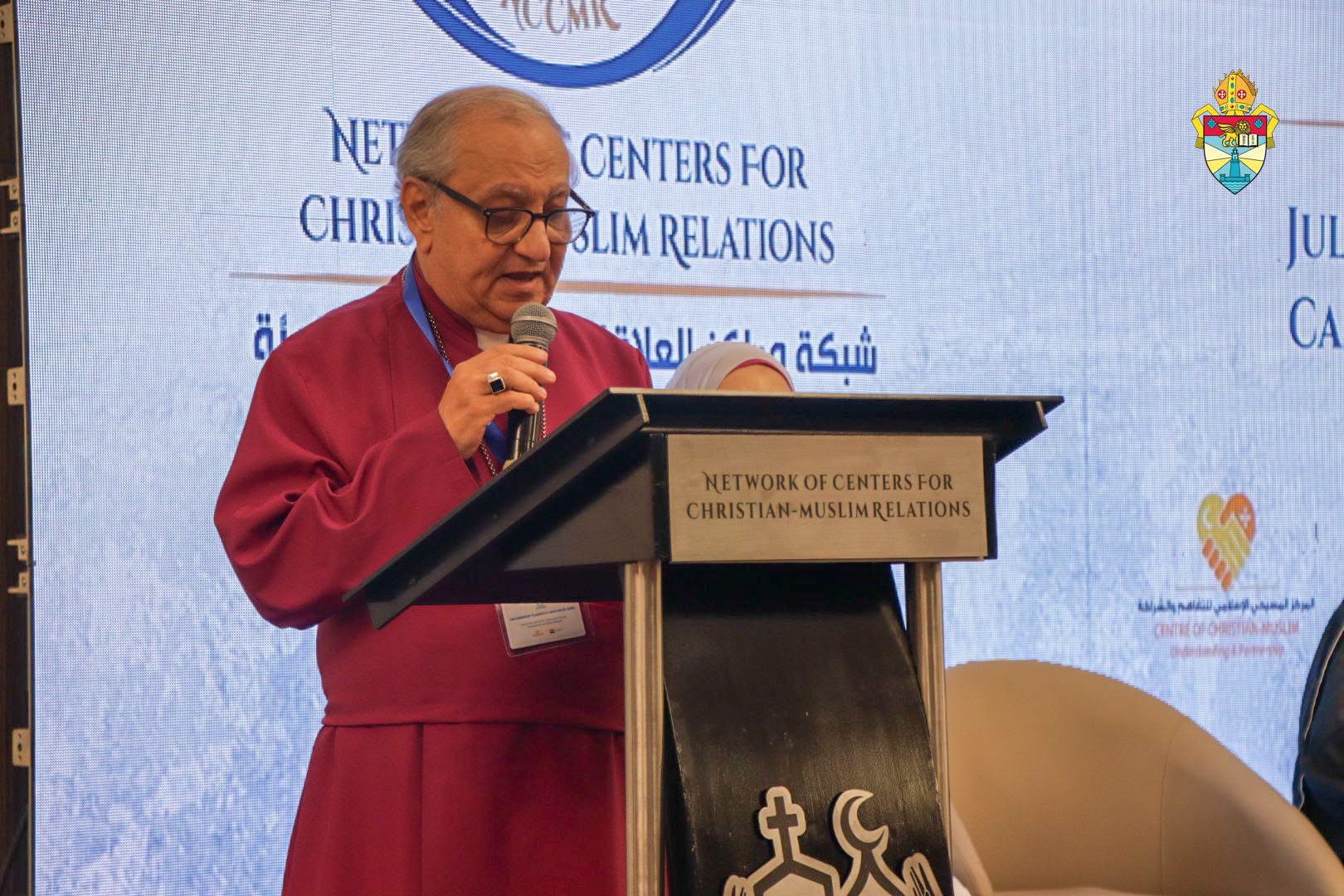
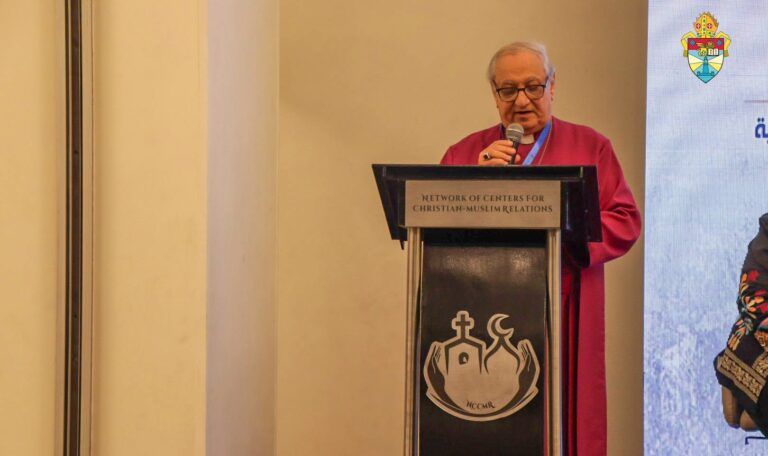
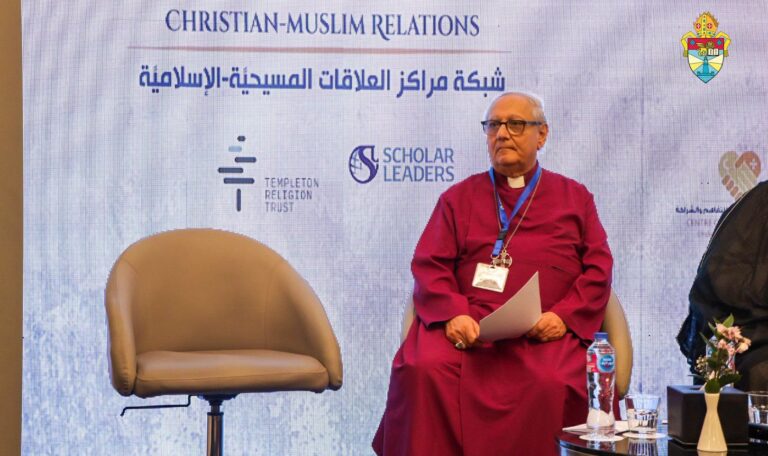
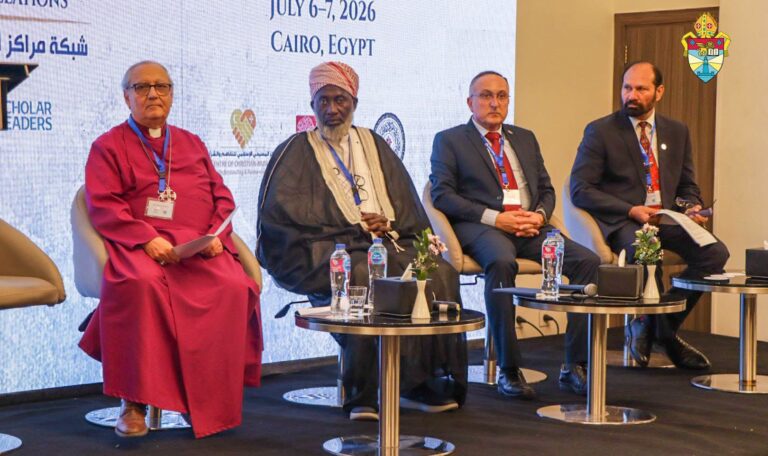
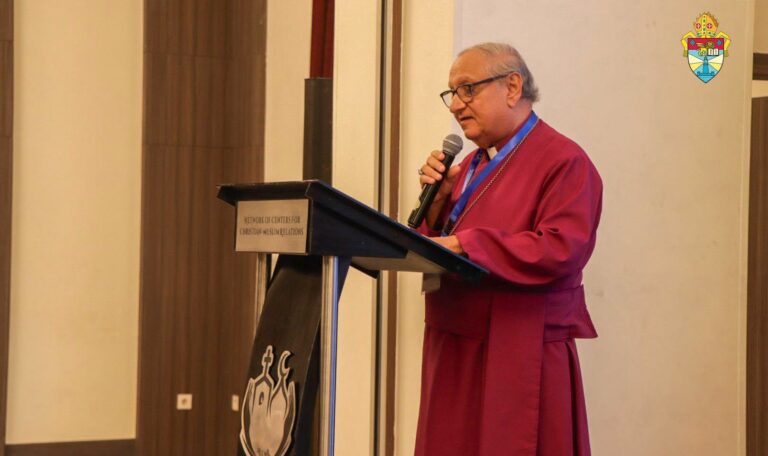
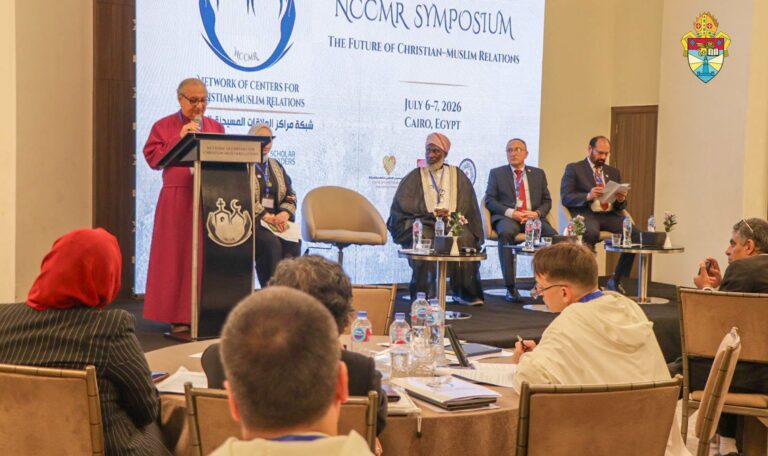
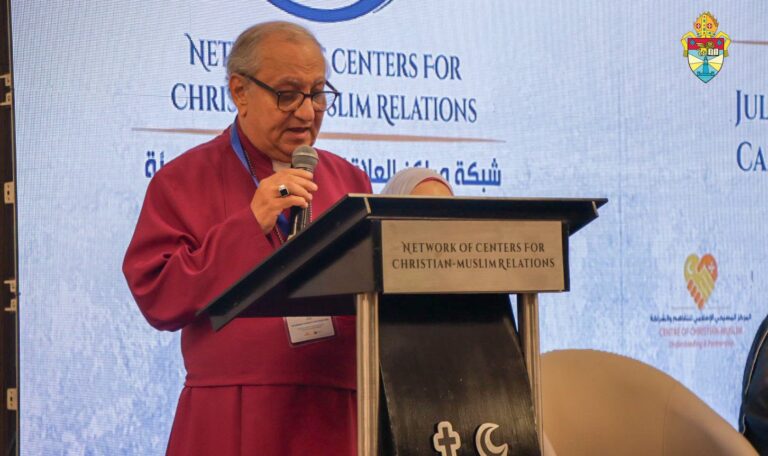
The Most Rev. Dr. Mouneer Anis, Archbishop Emeritus of the Episcopal/Anglican Province of Alexandria, affirmed that dialogue among followers of different religions and cultures is no longer a matter of choice but a necessity for confronting conflict, extremism, and intolerance, and for building stronger and more cohesive societies. He emphasized that lasting peace begins with investing in people and fostering a culture of knowledge, mutual respect, and understanding.
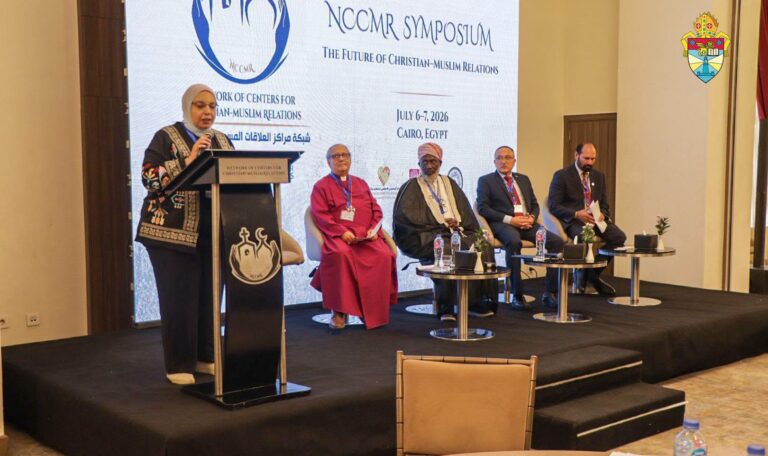
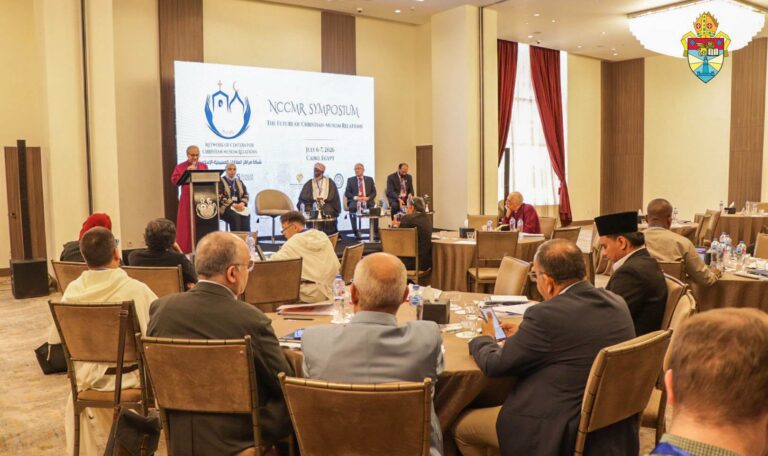
Archbishop Anis made these remarks during the second session of the international conference of the Network of Christian–Muslim Relations Centres (NCCMR), entitled “Dialogue and Peacebuilding: Reflections on a Contemporary Egyptian Experience,” held as part of the conference hosted in Cairo.
At the beginning of his address, Archbishop Anis reflected on the conflicts, wars, violence, and terrorism affecting many parts of the world today. He warned of the growing crises threatening global stability, noting that ignorance of others is one of the primary causes of intolerance and hatred. Mutual knowledge, he said, leads to understanding, understanding fosters respect and tolerance, and these in turn lay the foundation for lasting peace within society.
He explained that meaningful interfaith dialogue is not about proving one side right and the other wrong, but about a sincere desire to understand and know one another. Differences in religious belief, he stressed, should not become a source of conflict, but rather an opportunity for mutual enrichment and for strengthening the values of citizenship and peaceful coexistence.
Archbishop Anis highlighted the work of the Christian–Muslim Centre for Understanding and Partnership, established in 2022 through cooperation between the Episcopal Diocese of Egypt, Al-Azhar, and several of its affiliated institutions. The Centre was founded to transform dialogue from a theoretical concept into a practical community-based endeavor that contributes to peacebuilding and reinforces national unity.
He explained that the Centre’s work is built upon three principal pillars: advancing Islamic and Christian studies, launching community initiatives, and preparing specialists in conflict resolution and peacebuilding in cooperation with the Egyptian Family House. These efforts, he noted, help develop leaders who are equipped to manage diversity and strengthen social stability.
Archbishop Anis also highlighted several of the Centre’s initiatives, including the “Learning Journey” program, which brings together students from Al-Azhar and theological colleges in a shared educational environment designed to foster mutual understanding and build relationships based on trust and respect. He also referred to the “It Is Our Planet—Let’s Protect It” initiative, which engages Muslim and Christian students in joint environmental and community service activities, as well as the Centre’s Peace Journeys and Peace and Citizenship Camps.
He further noted that the Centre is committed to preparing local leaders capable of mediating disputes and managing conflicts, particularly in Upper Egypt, through specialized training programs that develop dialogue and mediation skills and help build a preventive culture that addresses the roots of division before crises emerge.
In closing, Archbishop Anis affirmed that the Egyptian experience demonstrates that dialogue is not merely a ceremonial activity or a peripheral cultural exercise, but an ongoing process of building both people and society. He concluded by stressing that the world today needs practical models proving that differences need not prevent cooperation, and that dialogue remains the most effective path toward building peace and fostering more stable, just, and cohesive societies.
Issued by:
The Press Office of the Episcopal Diocese of Egypt